Who Needs a Man When You’ve Got Medicine: Yuthok the Elder’s Teaching to the Yogini-doctor Dami Mentsün

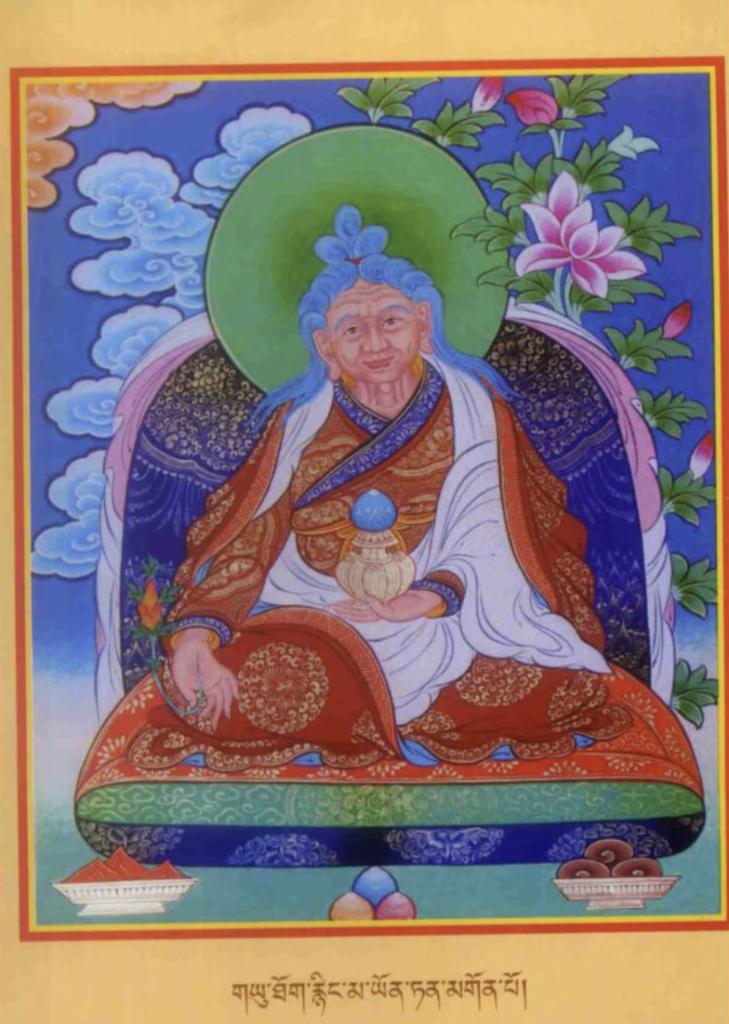
A painting of Yuthok Yönten Gönpo the Elder, from a 2006 compilation of medical biographies

Recently, a student from Brazil in our ongoing one-year deep-dive course on the Ngöndro or Foundation practices of the Yuthok Nyingthig tantric Buddhist teachings, which is happening right now through Sowa Rigpa Institute, asked me if I could provide a little more information about an important female disciple of Yuthok the Elder, who I mentioned in passing during in a class for the course. The main reference we have relating to this disciple is in Yuthok the Elder’s namtar or biography. Since this reference is really quite interesting, I thought I would make a short post about it here so others could appreciate it.

As I touched on in a previous post about the origins and meaning of the family name Yuthok, there are two Yuthoks/Yutoks, གཡུ་ཐོག་, in Tibetan tradition, a Yuthok the Elder and a Yuthok the Younger. Both of these important figures bear the personal name Yönten Gönpo, which translates to something like ‘Lord-Protector of Spiritual Qualities’. Yuthok the Elder is said to have lived in the eighth century, but the most extensive biography we currently have for him was commissioned and composed in the seventeenth century (this biography as well as a shorter companion biography of Yuthok the Younger was compiled by Menrampa Lopzang Chödrak 1638 – 1710, based on materials from a descendant of the Yuthok lineage called Jowo Lhündrup Tashi). Yuthok the Elder’s biography, whose full title is A Treasury of Resplendent Jewels: The Sealed Biography of Venerable Yuthok Yönten Gönpo the Elder, is full of many fascinating moments, many of which involve interesting interactions between Yuthok and various remarkable figures, human and otherwise. The female student of medicine and Dharma mentioned in the biography is named Dami Mentsün, མདའ་མི་དམན་བཙུན་. Yuthok the Elder, who is said to have been one hundred and twenty-five when he died, was something of a late bloomer, only getting married and having children in his nineties. His encounter with Dami Mentsün seems to take place sometime in Yuthok’s mid-to-late nineties, during an exstensive set of pilgrimages Yuthok went on with a sizeable entourage of students. As part of these travels, Yuthok visitied various parts of Tibet and went to sacred sites in India, China, and Uddiyana. It is during Yuthok’s tour of a part of Southern Tibet called Chayul, བྱ་ཡུལ་ (‘Land of Birds’ or possibly ‘Vultures’, located within the boundaries of colonial China’s Lhünzê  County), that the great yogi-doctor meets with Dami Mentsün.
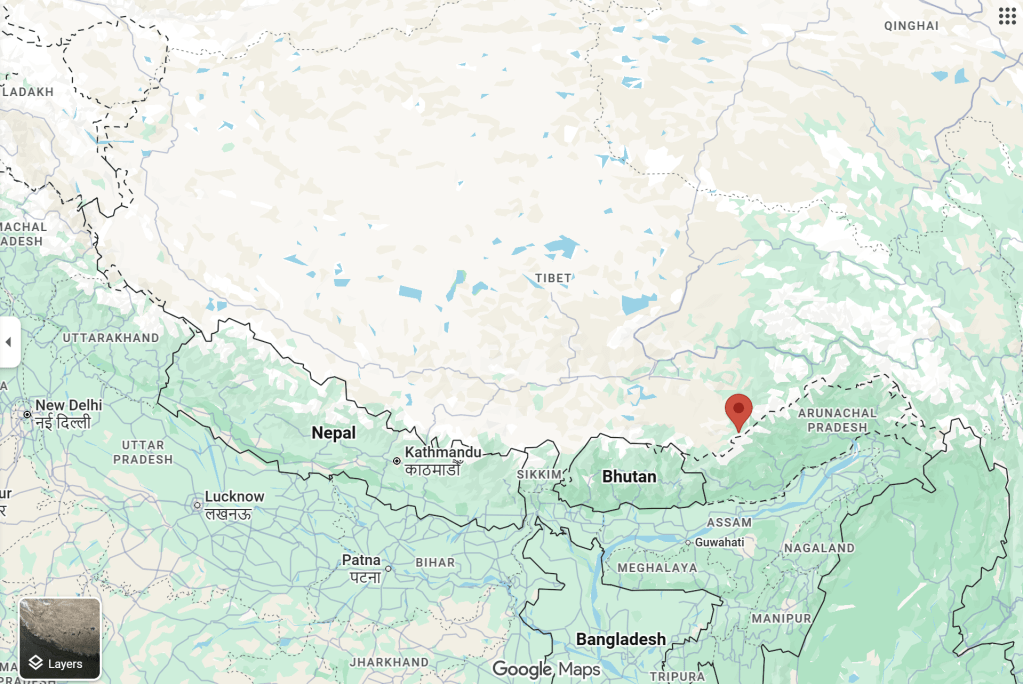
Google Maps image showing the approximate location of Chayul in Tibet.

The passage from Yuthok’s biography that details the encounter runs as follows:

Continue reading

The White-Robed, Dreadlocked Community: Dr Nida Chenagtsang’s Introduction to and Defense of the Ngakpa Tradition

rigzin rabpel ling

(Ngakpa or non-celibate tantric yogis from the Rebkong ngakmang or tantric community performing rituals at Rigzin Rabpel Ling in July 2016)

Existing readers of this blog will know that my PhD research is concerned with ngakpa and ngakma (sngags pa/ma, the name for make and female long-haired, non-celibate tantric Buddhist vow-holders, ritual specialists and yogis). Ngakpa have been a crucial part of Buddhism in Tibet since the point of its very inception in that country, yet there continues to be a lot of misunderstanding about who ngakpa and ngakma are, what they do, what vows they hold and what role they have had or should have in Tibetan communities.

Dr Nida Chenagtsang is a ngakpa, traditional Tibetan doctor, scholar and teacher who hails from Malho in Amdo, North-Eastern Tibet. As I have mentioned elsewhere, for many years, he and his brother have committed themselves to preserving and promoting the Ngakpa tradition of non-celibate tantric practice both in Tibet and beyond. Continue reading

Evil Dukpas, ‘Woke’ TV Reboots, and Dreams of Tibet: On the Blavatskyisms of Twin Peaks

black lodge

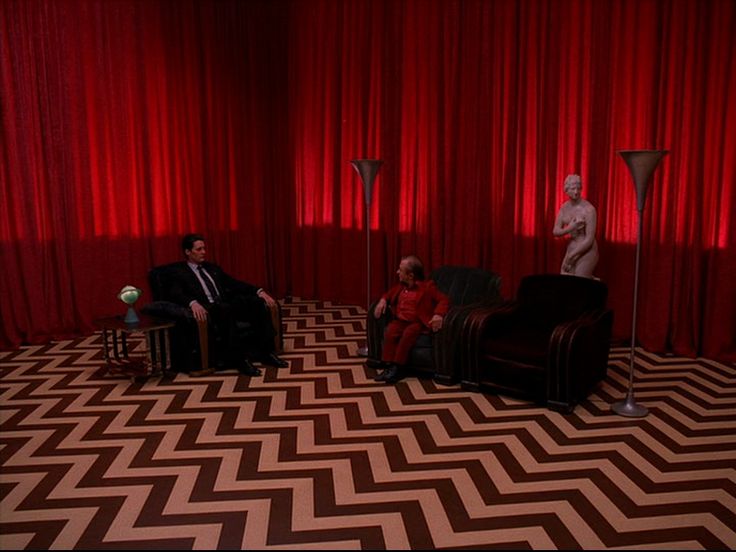
(Agent Cooper with the dwarf-spirit or ‘Man from Another Place’ in the Black Lodge, in Twin Peaks)

The twenty-five-year-in-the-making third season of cult series Twin Peaks has just piloted and sue me, but I have not yet watched all of the first two seasons of the show – my Dad who, aside from having worms was also into gimmick tees before they were like, even a thing, was a major fan of the series though, and he used to wear a shirt that said ‘I killed Laura Palmer’ when the show was running, so I recognize that I have very little excuse here.

i killed laura.jpg

(I guess my Dad’s t-shirt was cool, but clearly not as cool as this bro’s ‘I Killed Laura Palmer’ HOODIE. If you’re going to publicly confess to murder, I guess it makes sense to wear a hoodie?)

Still, even though I have not seen all of the show I AM well aware that the plot of Season 2 in particular is chock-full of references to Tibetan Buddhism and Native American religion as filtered through the muddy glass of Madame Blavatsky’s Theosophical imagination. It is well known that Twin Peaks’ writer Mark Frost is fascinated by Theosophy and the clips below from Season 2 offers a prime example of his Blavatsky fanboying. Appearing in a recording, Windom Earle, Agent Cooper’s former mentor, rants about the ‘evil sorcerers called Dukpas’ who tap into the sinister power of the ‘Black Lodge’ – the dark dimension out of time and almost out of space that is a key plot device in Twin Peaks – for their twisted enrichment. (As I will discuss at length below, the word ‘Dukpa’ ultimately derives from འབྲུག་པ or ‘brug pa which, meaning ‘Dragon’ in Tibetan, refers to both a particular sub-lineage of the Kagyu school of Tibetan Buddhism and the country of Bhutan).

Continue reading

For the Religion and the Race: Words of Praise for Tibetan Non-Celibate Tantrikas

(A depiction of prominent 19th century poet, meditation master and promoter of the ‘white robed, dreadlocked community’ or ngakpa tradition, Shabkar Tsokdruk Rangdrol)

Recently, some non-Tibetan practitioners of Tibetan tantric Buddhism or Vajrayana were asking me about some informal advice texts or ‘speeches’ ༼གཏམ། tahm༽written in Tibetan by great ngakpa ༼སྔགས་པ།༽ or non-celibate tantric ritual specialists and whether these had been translated into English. In the course of looking into some of these older texts, I was reminded of a Tibetan blog post from 2009, which represents an interesting variation on the genre of advice speech for ngakpas, by ngakpas. So I thought I would translate it – very roughly! – and share it here.

Continue reading

Tantric Sex Partners, Actual and ‘Imagined’: Tibetan Karmamudra, and the Life and Times of Lelung Jedrung Zhepai Dorje

lelung shepe dorje

(The Great Fifth Lelung Jedrung Rinpoche, Zhepai Dorje)

Recently, Tibetan scholar, traditional physician and yogi Dr Nyida Chenaktsang told me about (and gave me permission to read) a short text by the 18th century Tibetan yogi and visionary saint or ‘treasure revealer’, Lelung Jedrung Zhepai Dorje (sle lung rje drung bzhad pa’i rdo rje, 1697-1740). This saint, whose name means something like ‘the Jedrung reincanation, the laughing/proclaiming tantric thunderbolt, or non-dual reality from the Lelung region’, is also known by the personal names Trinlay Wangpo and Lobsang Trinlay. He was born in Ölga/Ölkha, a region in Lhoka in South-Western Tibet, and was recognized as the Fifth Jedrung Rinpoche – that is to say, as the reincarnation of Drubchen Namkha Gyaltsen (1326-1401), the celebrated master who was one of Je Tsongkhapa (1357-1419), the founder of the Gelukpa lineage’s, principal gurus. Yet, despite being the re-embodiment of a celibate master – of one who played mentor to boot to a figure strongly associated with the monastic regulation and circumscription of tantra in Tibet, AND despite the fact that Lelung Zhepai Dorje had himself received monk’s ordination from the Sixth Dalai Lama at the age of seven, the text that Dr Nyida brought to my attention has nothing to do with either vows of celibacy or monasticism. Continue reading

Tantra and Transparency, or Cultural Contradictions and Today’s Tibetan Buddhist Wizard

white-and-red-robes.jpg

Here’s my second piece for Savage Minds, and the first of the four-part guest-blogger series I did during October last year.

This essay offers a brief overview of my current dissertation research project on ngakpa and ngakpa lineages in exile and outside of Tibet. I tried to make this piece a useful summary of some of the dimensions of ngakpa/ma histories, orientations, practices, and lineages that I thought were of interest, especially for an anthropological audience perhaps less familiar with Tibetan societies and Vajrayana. Continue reading