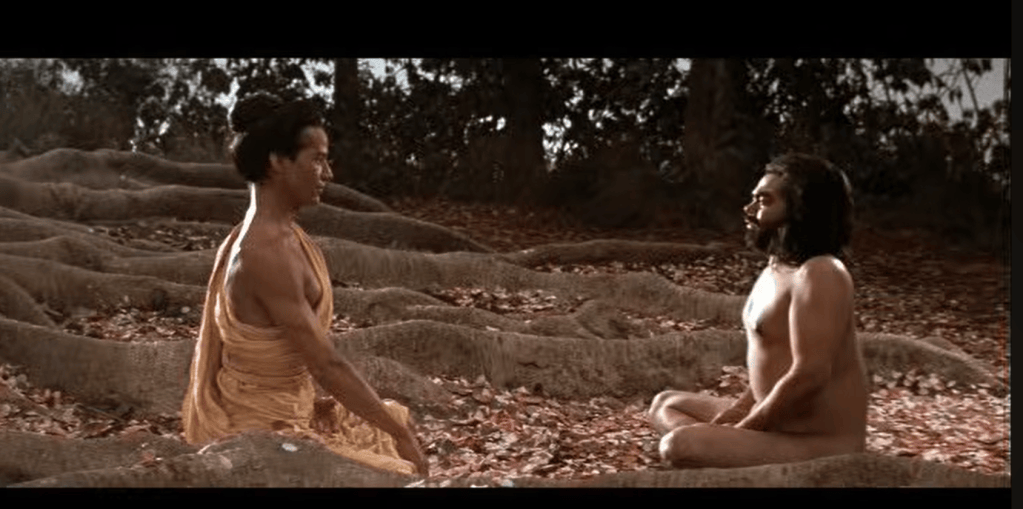
‘The Earth is My Witness’. A rather bronzed Keanu Reeves as the Buddha unmasking Mara in the 1993 Bernardo Bertolucci film ‘Little Buddha’.
In Part III of Patrül Rinpoche and Chegompa’s text on maras, the discussion shifts to behaviours and situations which enable maras and their influence to enter into your life and being and to the various signs which indicate that the maras have you in their hold. Let’s dive right in (as before, I’ll share some brief reflections at the end of the translation. For Part I and II of the text see here and here, respectively).
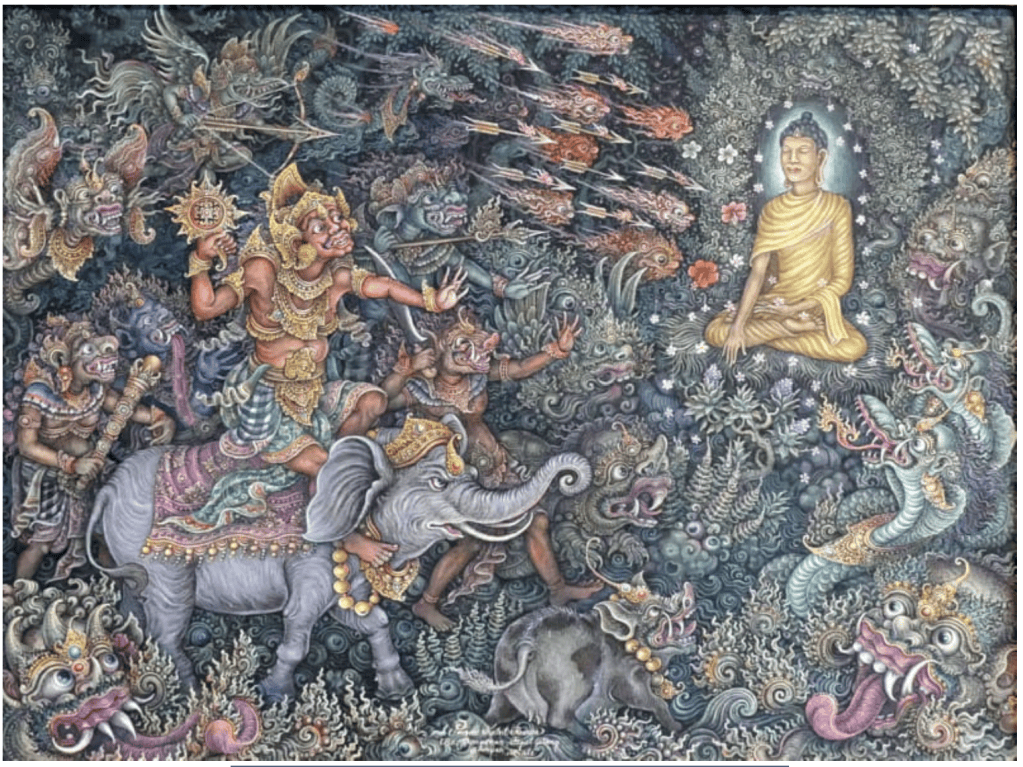
Painting of maras attacking the Buddha, by Balinese artist Pande Ketut Bawa
Here is part II of a multi-part series in which I share a preliminary translation of a text on Maras – ‘demonic’ obstacles on the spiritual path – by the nineteenth century Tibetan Buddhist teacher Patrül Rinpoche. As I mentioned in Part I, this text is Patrül’s reworking of an earlier text by the twelfth century Kadampa master Chegompa (see Part I for more details). In the opening section of the text, Chegompa describes the Four General Maras – these maras are ‘general’ because they are overarching, they encompass the obstacles and challenges of samsaric broadly. In this next Part, Chegom outlines three levels of specific or particular maras – chedrak ki dü, བྱེ་བྲག་གི་བདུད་ – namely, outer level maras, inner level maras, and secret level maras. There are six types for each level, making eighteen specific maras in total. The scheme of ‘outer, inner, secret’ – chi nang sang sum, ཕྱི་ནང་གསང་གསུམ་ in Tibetan – will be familiar to many readers. It is an ubiquitous framework in Tibetan Buddhism and charts a spectrum from other beings and gross, external, objective reality on one end, to more internal, intangible, personal, and subjective experiences and orientations on the other. Let’s dive right into the translation (I’ll include some reflections on the section at the end!).
Recently, a student from Brazil in our ongoing one-year deep-dive course on the Ngöndro or Foundation practices of the Yuthok Nyingthig tantric Buddhist teachings, which is happening right now through Sowa Rigpa Institute, asked me if I could provide a little more information about an important female disciple of Yuthok the Elder, who I mentioned in passing during in a class for the course. The main reference we have relating to this disciple is in Yuthok the Elder’s namtar or biography. Since this reference is really quite interesting, I thought I would make a short post about it here so others could appreciate it.
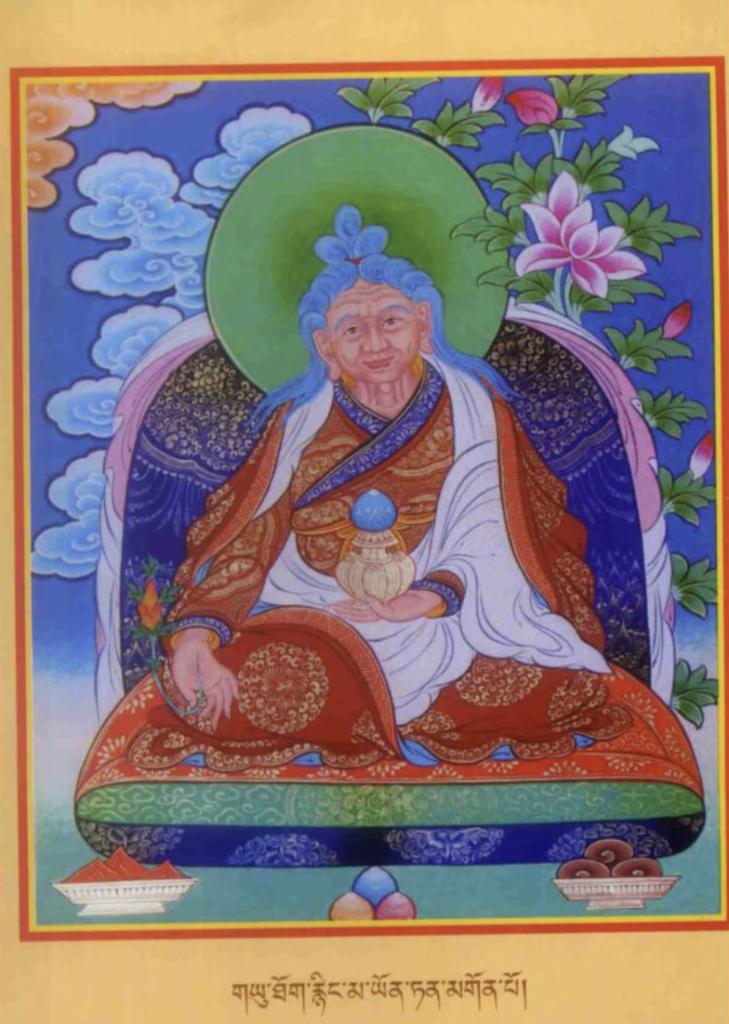
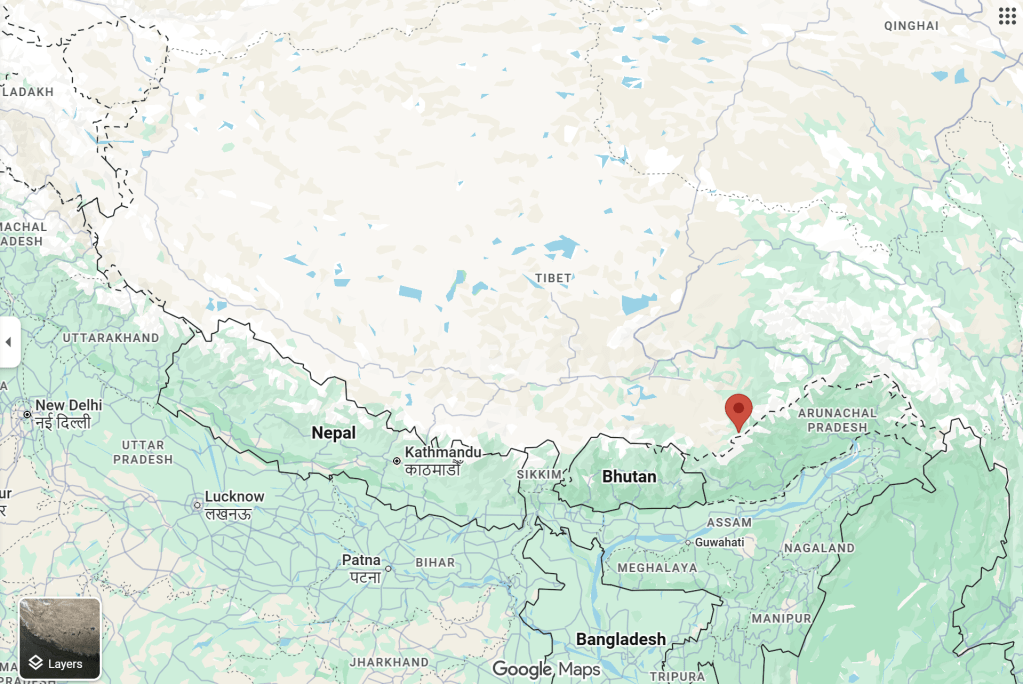
As I touched on in a previous post about the origins and meaning of the family name Yuthok, there are two Yuthoks/Yutoks, གཡུ་ཐོག་, in Tibetan tradition, a Yuthok the Elder and a Yuthok the Younger. Both of these important figures bear the personal name Yönten Gönpo, which translates to something like ‘Lord-Protector of Spiritual Qualities’. Yuthok the Elder is said to have lived in the eighth century, but the most extensive biography we currently have for him was commissioned and composed in the seventeenth century (this biography as well as a shorter companion biography of Yuthok the Younger was compiled by Menrampa Lopzang Chödrak 1638 – 1710, based on materials from a descendant of the Yuthok lineage called Jowo Lhündrup Tashi). Yuthok the Elder’s biography, whose full title is A Treasury of Resplendent Jewels: The Sealed Biography of Venerable Yuthok Yönten Gönpo the Elder, is full of many fascinating moments, many of which involve interesting interactions between Yuthok and various remarkable figures, human and otherwise. The female student of medicine and Dharma mentioned in the biography is named Dami Mentsün, མདའ་མི་དམན་བཙུན་. Yuthok the Elder, who is said to have been one hundred and twenty-five when he died, was something of a late bloomer, only getting married and having children in his nineties. His encounter with Dami Mentsün seems to take place sometime in Yuthok’s mid-to-late nineties, during an exstensive set of pilgrimages Yuthok went on with a sizeable entourage of students. As part of these travels, Yuthok visitied various parts of Tibet and went to sacred sites in India, China, and Uddiyana. It is during Yuthok’s tour of a part of Southern Tibet called Chayul, བྱ་ཡུལ་ (‘Land of Birds’ or possibly ‘Vultures’, located within the boundaries of colonial China’s Lhünzê County), that the great yogi-doctor meets with Dami Mentsün.
Google Maps image showing the approximate location of Chayul in Tibet.
The passage from Yuthok’s biography that details the encounter runs as follows:
The Great Siddha Naropa, who is famously associated with Six ‘Dharmas’ or Completion Stage yogic disciplines.
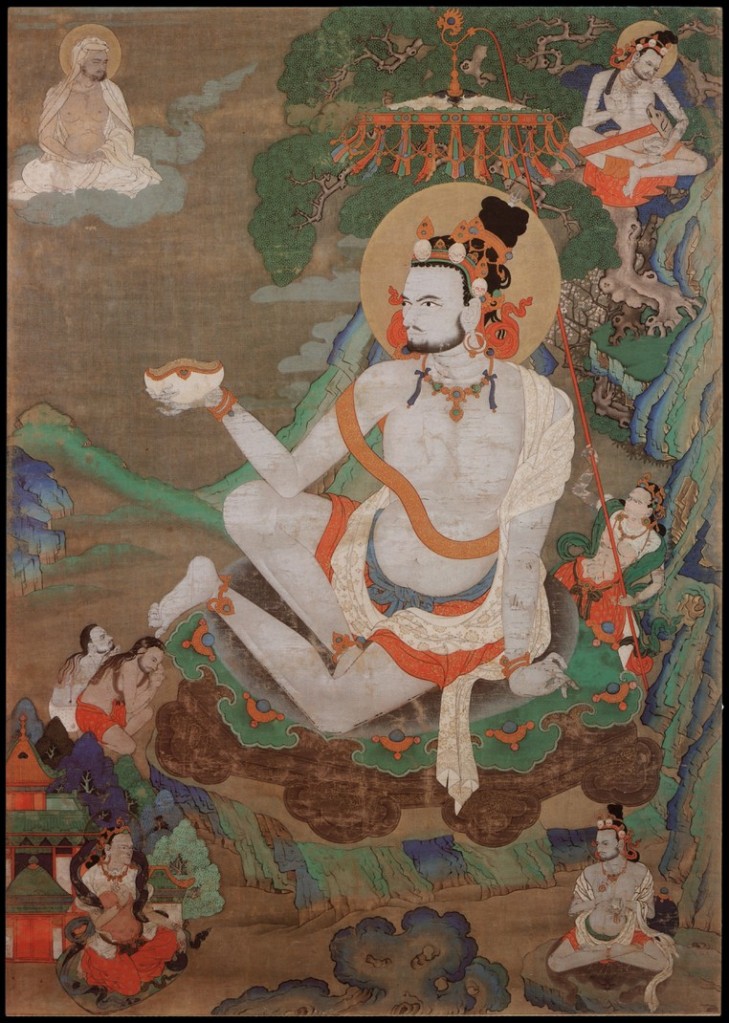
Yesterday, the Naldjor Facebook page, a wonderful resource for texts and images related to Tibetan Tantric Buddhism and Yoga, shared a short text composed by Naropa, the famous Bengali Mahasiddha or ‘greatly accomplished’ Tantric saint who lived and taught in the 11th century (Naropa was famously put through great trails by his Guru Tilopa after he left his life as a monastic professor behind. For a brief summary of his life, see the Princeton Dictionary of Buddhism’s entry for him shared on Tsadra’s Buddha Nature Project page, which is incidentally where I also got the above image from. The text in question has to do with mantra recitation and it is a mengngak མན་ངག་ or upadesha in Sanskrit – that is, a text of ‘pith, oral instructions’. Mengngak are usually related to meditation, medicine, or ritual practice and in this text Naropa gives a list of twenty-one do’s and don’ts regarding mantra practice for practitioners who want to cultivate ngak ki nüpa, སྔགས་ཀྱི་ནུས་པ་, i.e. ‘mantric efficacy’ or ‘power’. The Naldjor page administrator requested that English translations of the text be shared, so I thought I would offer one here. Naropa’s text was also one of the many sources Dr Nida Chenagtsang drew on when writing his Tibetan-language book on mantra healing and some of Naropa’s instructions appear in Dr Nida’s own ‘do’s and dont’s’ chapter from the book (see here for my rough translation). Dr Nida also often refers to points from Naropa’s text in his classes, so I thought it would be useful to share a full translation, along with some brief commentary. I will give the full text and translation below, followed by a few explanations about terminology and translation choices. I have put asterisks alongside the points which have variant renderings or interpretations.
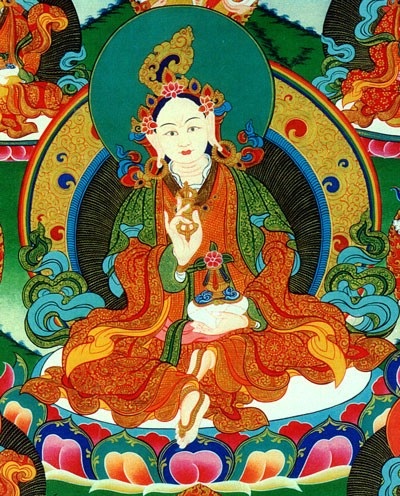
The great Khandro, Dakini or Yogini of Tibet, the princess who became a Buddha Yeshe Tsogyal
(This particular image of Yeshe Tsogyal is from a specific practice involving the Khandro that was revealed by the 17th century Tibetan treasure-revealer Tagsham Nuden Dorje who is said to have been a reincarnation of Yeshe Tsogyal’s sexual yoga partner Atsara Salé. The lineage for this practice is held by Namkha Drimed Rinpoche, see here for more information. See here as well for more on this blog regarding Yeshe Tsogyal’s life and exploits)
Hi, friends!
Here’s the information regarding a further podcast I recently did with Steve James of the Guru Viking podcast, as part of a series of interviews connected with my PhD dissertation on Tibetan tantric Buddhist non-monastic, non-celibate yogis and yoginis. In this interview, Steve quizzed me a little about some issues connected with gender and sexuality in Tibetan tantric Buddhism. I am hardly an expert in (or the best person to be mouthing off about!) the experiences of women in Vajrayana, but I hope that some of what we discussed here will be of use and interest.
Here’s Steve’s list of the topics we talked about along with the relevant links:
Guru Yuthok manifesting as Vajradhara in union with Vajravarahi by Anna Artemyeva
Hi everyone. A quick post to inform you all that an interview I did with my friend professional counselor Julian Royce for his ‘A State of Mind’ podcast is now online to view and listen to. The interview mainly focused on my involvement with helping to put together Dr Nida Chenagtsang’s 2018 book on Tibetan tantric Buddhist sexual yoga practices, ‘Karmamudra: The Yoga of Bliss (Sexuality in Tibetan Medicine and Buddhism), so should be of interest both to people who have already read Dr Nida’s book and who are considering doing so! (you can read my full editor and translator’s foreword to the book here as well)
Here’s the YouTube video of the interview. As always, feel free to let me know what you think!