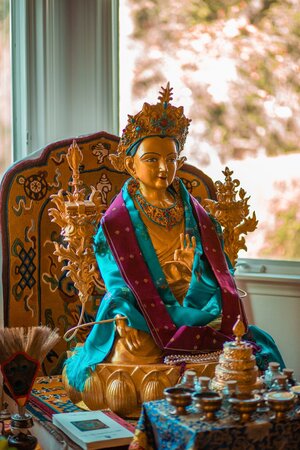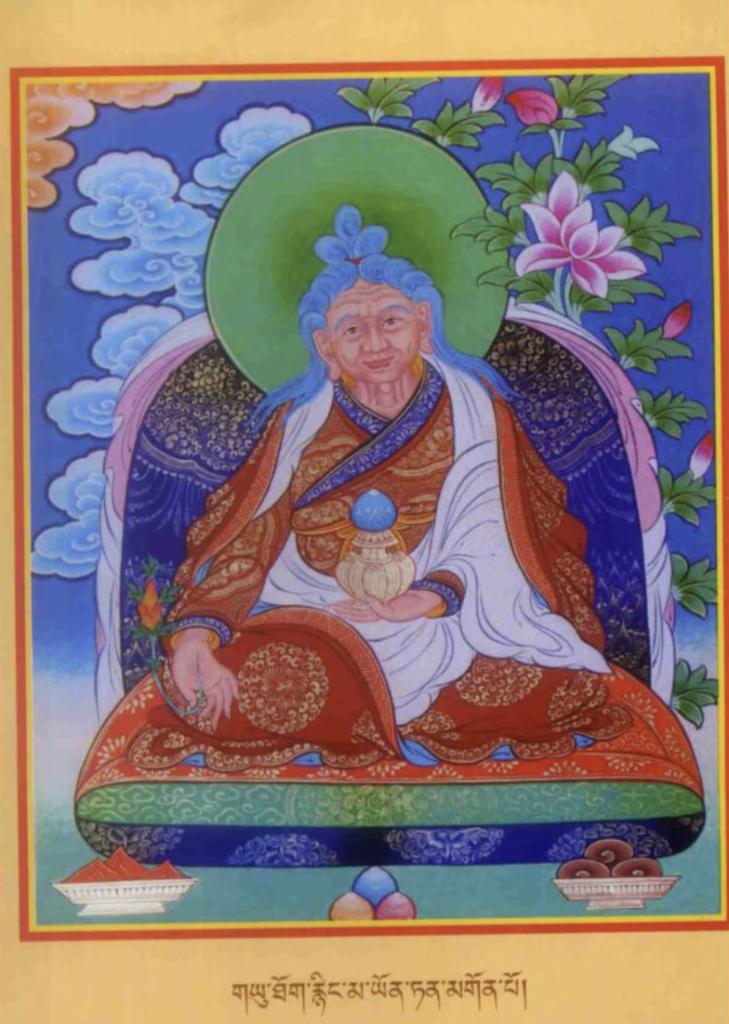
Recently, a student from Brazil in our ongoing one-year deep-dive course on the Ngöndro or Foundation practices of the Yuthok Nyingthig tantric Buddhist teachings, which is happening right now through Sowa Rigpa Institute, asked me if I could provide a little more information about an important female disciple of Yuthok the Elder, who I mentioned in passing during in a class for the course. The main reference we have relating to this disciple is in Yuthok the Elder’s namtar or biography. Since this reference is really quite interesting, I thought I would make a short post about it here so others could appreciate it.
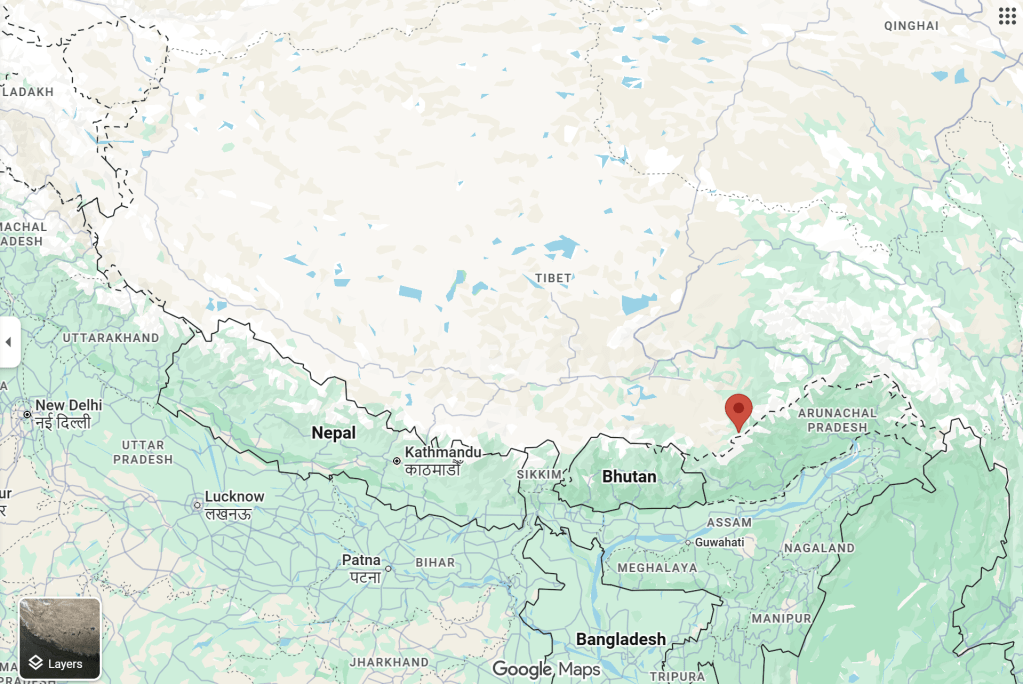
As I touched on in a previous post about the origins and meaning of the family name Yuthok, there are two Yuthoks/Yutoks, གཡུ་ཐོག་, in Tibetan tradition, a Yuthok the Elder and a Yuthok the Younger. Both of these important figures bear the personal name Yönten Gönpo, which translates to something like ‘Lord-Protector of Spiritual Qualities’. Yuthok the Elder is said to have lived in the eighth century, but the most extensive biography we currently have for him was commissioned and composed in the seventeenth century (this biography as well as a shorter companion biography of Yuthok the Younger was compiled by Menrampa Lopzang Chödrak 1638 – 1710, based on materials from a descendant of the Yuthok lineage called Jowo Lhündrup Tashi). Yuthok the Elder’s biography, whose full title is A Treasury of Resplendent Jewels: The Sealed Biography of Venerable Yuthok Yönten Gönpo the Elder, is full of many fascinating moments, many of which involve interesting interactions between Yuthok and various remarkable figures, human and otherwise. The female student of medicine and Dharma mentioned in the biography is named Dami Mentsün, མདའ་མི་དམན་བཙུན་. Yuthok the Elder, who is said to have been one hundred and twenty-five when he died, was something of a late bloomer, only getting married and having children in his nineties. His encounter with Dami Mentsün seems to take place sometime in Yuthok’s mid-to-late nineties, during an exstensive set of pilgrimages Yuthok went on with a sizeable entourage of students. As part of these travels, Yuthok visitied various parts of Tibet and went to sacred sites in India, China, and Uddiyana. It is during Yuthok’s tour of a part of Southern Tibet called Chayul, བྱ་ཡུལ་ (‘Land of Birds’ or possibly ‘Vultures’, located within the boundaries of colonial China’s Lhünzê County), that the great yogi-doctor meets with Dami Mentsün.
The passage from Yuthok’s biography that details the encounter runs as follows: