A Devil to be Humbled, not Destroyed: Patrül Rinpoche’s Text on Diagnosing and Avoiding Maras, Part IV

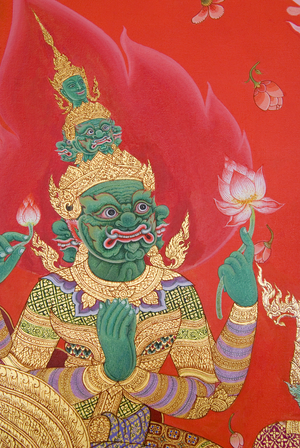
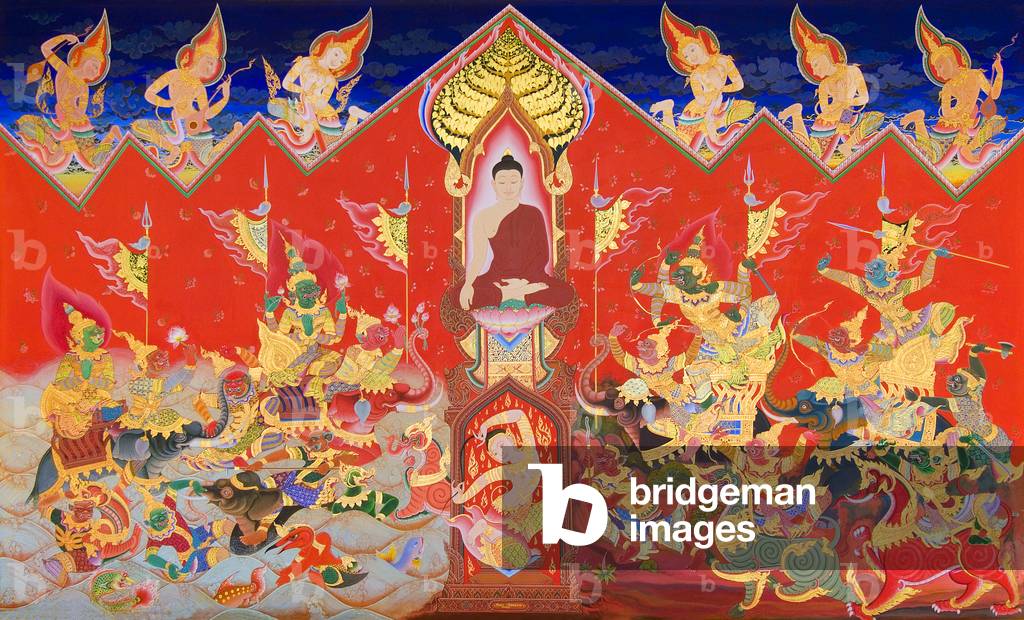
A detail from a mural depicting the Buddha conquering Mara, by Thai artist Pang Chinasai, apparently located at the Aruna Ratanagiri or Harnham Buddhist Monastery, Northumberland, United Kingdom. Here a demon in Mara’s army offers the Buddha a flower, reverently. See here for more details about the painting and here and here for more information about this beautiful Theravadan monastery on the border of England and Scotland.

We arrive now at the fourth and final Part of this series on Patrül Rinpoche’s nineteenth century reworking of a twelfth century text by Kadampa master Chegompa, which explains how Buddhist practitioners can identify and respond to the influence of Mara or maras in their spiritual practice and lives (see here, here, and here for Parts I, II, and III respectively). In this concluding section of the text, Chegompa outlines the methods that Buddhist practitioners can use to treat and prevent mara-obstacles (as in previous posts, I have alternated between translating dü བདུད་ as singular ‘Mara’ with a capital M and as lower case m ‘mara’ in the singular or ‘maras’ in the plural. I’ve also translated the term neljor, nenjor རྣལ་འབྱོར་ as ‘yogic practitioner/s’ or ‘yogis and yoginis’ even thought this term is not explicitly feminized in Chegompa’s text. See Part I for a brief introduction to the Buddhist concept of Mara/maras).

The good news about Chegompa’s recommendations for treating and preventing mara-obstacles is that they are already fundamental elements of Buddhist spiritual practice. Some of the most interesting aspects of this closing section are also the reflections Chegompa offers on the fact that maras themselves are not the problem. What ultimately matters is how practitioners of tantric yoga orient themselves to ‘demonic’ adversaries and obstacles more broadly. As before, let’s dive into the text and I’ll share some observations at the end.
Continue reading →

Blessed But Badly – The Causes and Signs of Mara Influence: Patrül Rinpoche’s Text on Diagnosing and Avoiding Maras, Part III

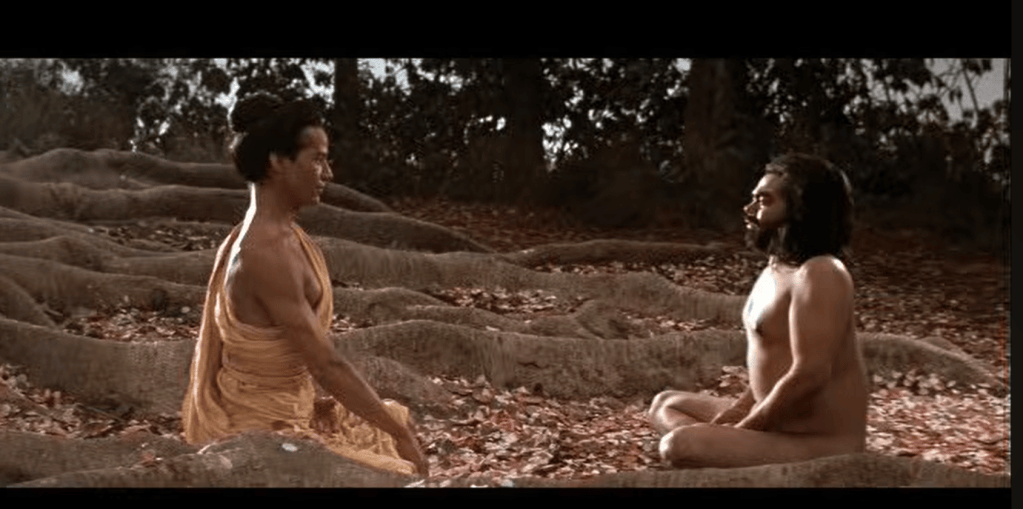
‘The Earth is My Witness’. A rather bronzed Keanu Reeves as the Buddha unmasking Mara in the 1993 Bernardo Bertolucci film ‘Little Buddha’.

In Part III of Patrül Rinpoche and Chegompa’s text on maras, the discussion shifts to behaviours and situations which enable maras and their influence to enter into your life and being and to the various signs which indicate that the maras have you in their hold. Let’s dive right in (as before, I’ll share some brief reflections at the end of the translation. For Part I and II of the text see here and here, respectively).

Continue reading →

New Interview on ‘Meditation Sickness’ and Tibetan Geksel Literature on Guru Viking

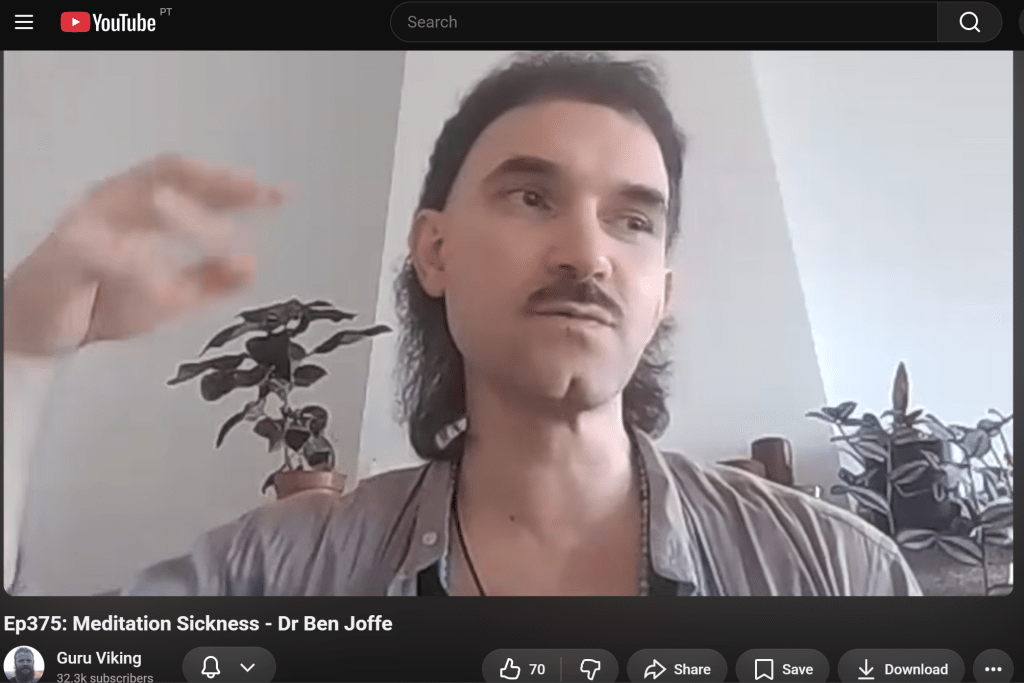
A quick post here to call attention to yet another interview I did with Steve James for his Guru Viking podcast, which came out a day ago.

In the interview, Steve and I discuss two pieces of research I recently did on the subject of so-called ‘meditation sickness’ and the Tibetan genre of geksel, gegs sel གེགས་སེལ་, i.e. instructions and practices for resolving obstacles – adverse reactions, sicknesses and so on – which get in the way of accomplishing meditation and yogic practice. Both pieces of research were developed with the kind editorial support and encouragement of Dr Pierce Salguero – the first, an annotated interview with Dr Nida Chenagtsang, a Tibetan traditional doctor and tantric householder yogi, which is featured in Pierce’s recent University of Hawaii Press edited volume ‘Meditation Sickness: A Sourcebook on the Dangers of Buddhist Practice’ and the other, an annotated translation of a Tibetan gegs sel manual written by the seventeenth century Tibetan meditation master Taranatha, which will be appearing in an upcoming special volume of the Asian Medicine Journal.

Geksel literature is such a fascinating genre of Tibetan writing and knowledge. It sits at the rich intersection of medicine and Tantric Buddhist yoga, of exoteric and naturalistic and esoteric and ritual approaches to healing. It’s also been surprisingly under-researched and discussed. I’ve learned a great deal comparing and contrasting Tibetan geksel texts – I hope that the conversation and these modest research contributions will inspire further interdisciplinary conversations and research as well. Here’s Steve’s description and timestamps for the interview:

Continue reading →