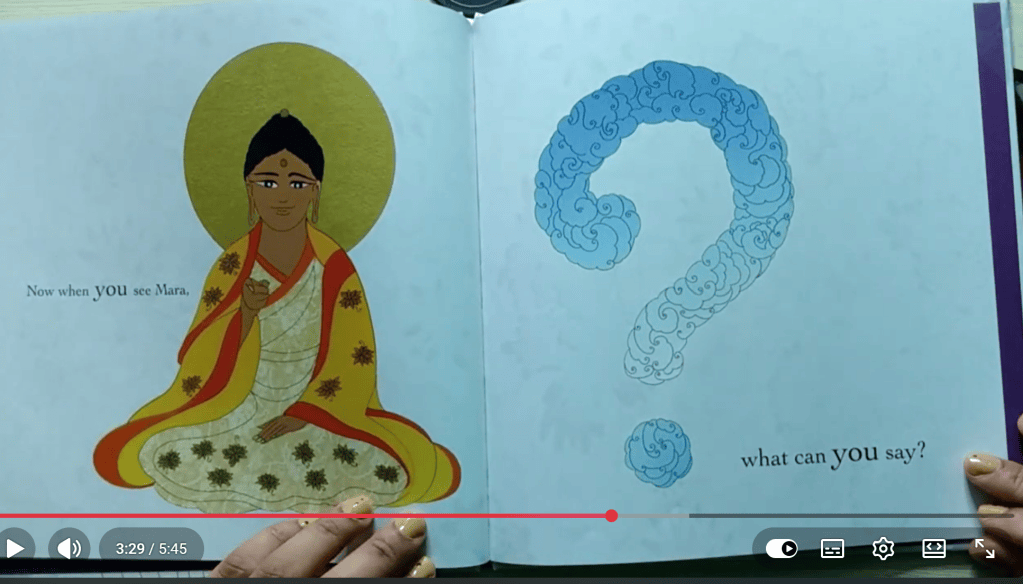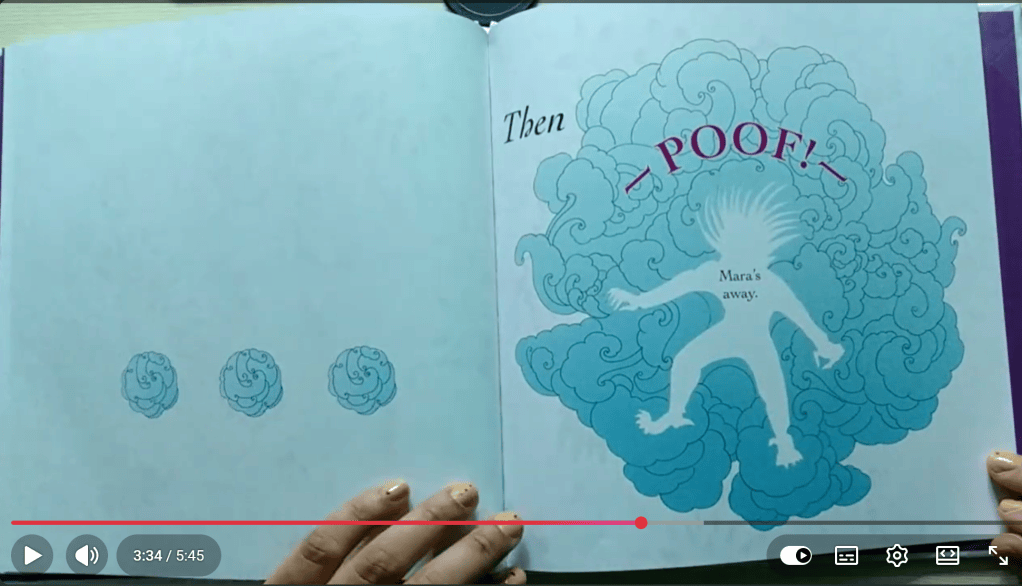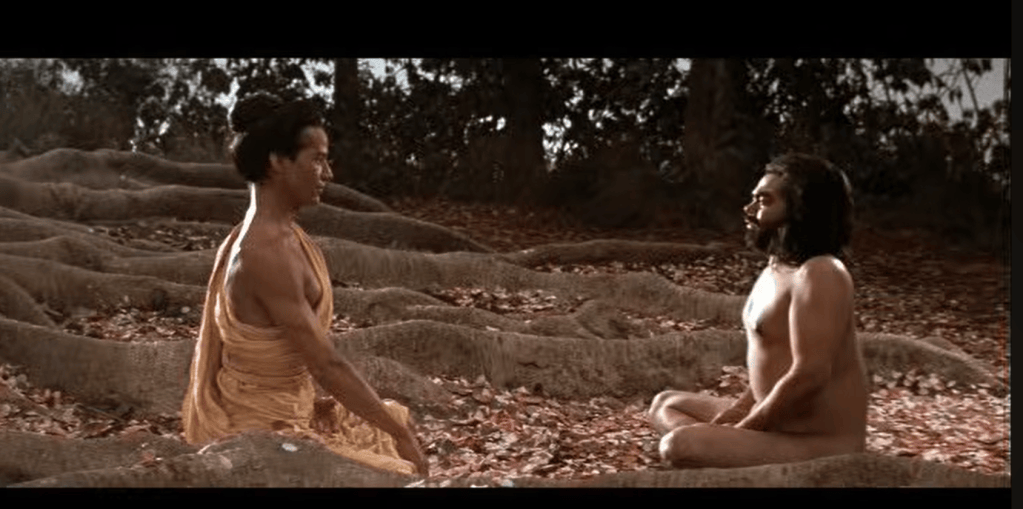
In Part III of Patrül Rinpoche and Chegompa’s text on maras, the discussion shifts to behaviours and situations which enable maras and their influence to enter into one’s life and being and to the various signs which indicate that the maras have you in their hold. Let’s dive right in (as before, I’ll share some brief reflections at the end of the translation. For Part I and II of the text see here and here, respectively).
Complete Victory over Mara: Pith Instructions on how to Diagnose the Causes of Mara or Obstructing Demons and the Methods for Avoiding Them’
PART III:
I will now describe what causes the entry of all these maras:
- Not beginning the path with diligence causes the entry of maras
- It is taught that if sherap – wisdom, discriminating intelligence – is minimal, that is mara in actuality.
- When you have strong nyönmong – afflictive emotions, kleshas – that is a cause for the entry of maras.
- When you have strong namtok – thoughts, doubts, fears, conceptual projections – that is the beckoning of mara.
- When your attention and imagination goes in many directions (བློ་སྣ་མང་ན་ lo na mang na), that is a cause for the entry of maras.
- When you haven’t been accepted as a student by a genuine guru, that is a cause for the entry of maras
- If you haven’t penetrated the profundity of the oral instructions, like (a traveller) without an escort, that is a cause for the entry of maras.
- If you associate with bad friends, that is a cause for the entry of maras
- If you have a lot of grasping and attachment, that is a cause for the entry of maras
- A preponderance of sexual desire means being gripped by the maras
- Great craving for meat and alcohol is a cause for the entry of maras
- A light, restless mind and feeble effort are causes for the entry of maras
************************************************************************************
*There is a short stand-alone line here that simply says བདུད་ཀྱིས་འཁྱེར། ‘carried off, carried away by maras’ which feels like a slightly random or mistaken insertion.
************************************************************************************* - If your conceptions are minor or limited (i.e. འདུ་ཤེས་ཆུང་ dushé chung, this probably refers to conceptions or perceptions in the sense of trained ways of experiencing or conceiving of phenomena and experiences, like with Deity Yoga pure perception etc.) and can’t be changed or remedied, it is a cause for the entry of maras
- If you have a lot of self-importance and pride, that is a cause for the entry of maras
- If a beginner practitioner prefers to spend time alone, in retreat or isolation, that is a cause for the entry of maras
- If you stay close to big marketplaces or cities that is a cause for the entry of maras
- Staying in communities or around people who you disagree or clash is cause for the entry of maras
- Having many promises or commitments that you don’t put into practice is a cause for entry of maras
- If you try to accomplish Buddhahood merely through perseverance, through withstanding hardships, without possessing any pith instructions, that is a cause for the entry of maras
***************************************************************************************************
*Being carried away by maras (*again not sure if this is an intended insertion, in the edition I’ve been translating from these short lines are italicized as if they are inserted sub-titles or categories, but I am not sure how being carried away by maras is a different category here to having maras enter into one’s being, life etc.)
*********************************************************************************************
- Not having a stable mind and not striving to fulfil your promises and commitments is a cause for the entry of maras
- Being particularly attached to your dreams (and their significance) is a cause for the entry of maras
*Being deceived by maras –
Being pleased about signs and indications (of progress, accomplishment etc.) is a cause for the entry of maras. - If through some or other circumstance your mind becomes apathetic, demotivated, and dejected (ཤེས་པ་སྐྱིད་ལུགས་ཤིང་འཕང་ཤེ་བ་, shepa kyiluk shing pang shewa), if through either their own or others’ doing or external circumstances yogis and yoginis become depressed, are tormented by emotional anguish or grief (ཡིད་མི་བདེ་ཞིང་མྱ་ངན་གྱིས་གཟིར་ན་ yi mi dé shing nyangen ki zir na) that is a cause for the entry of maras.
Thus, diagnose and avoid maras accordingly.
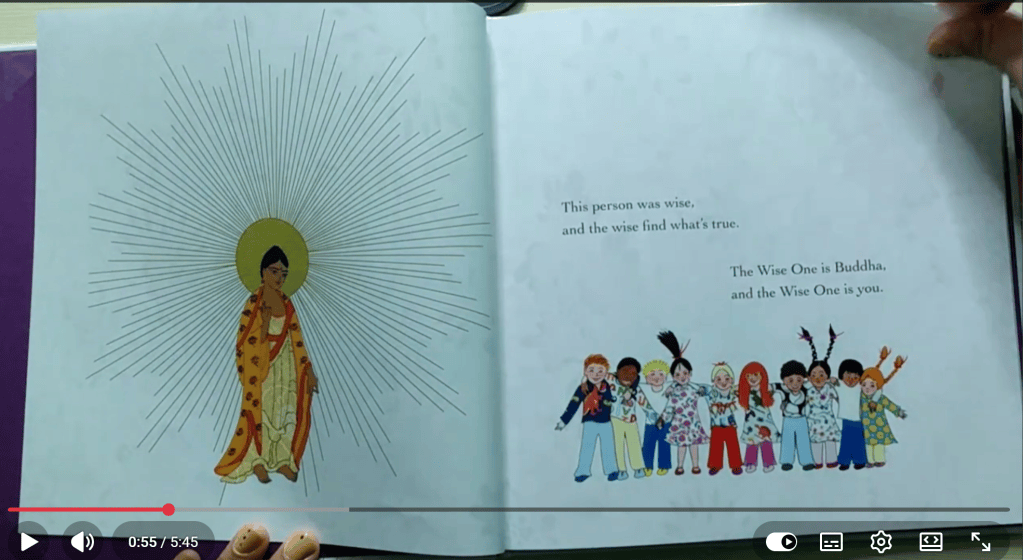
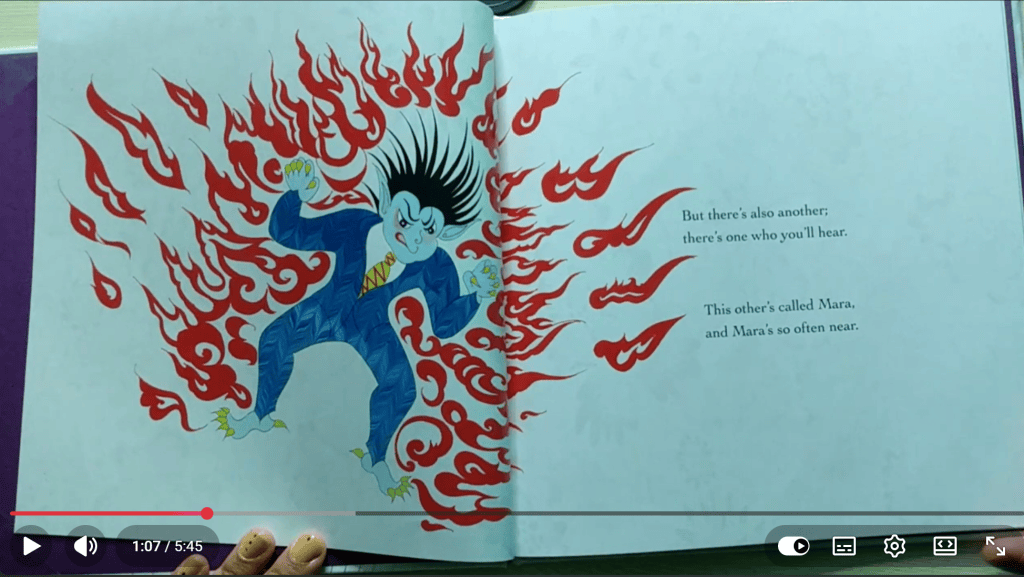
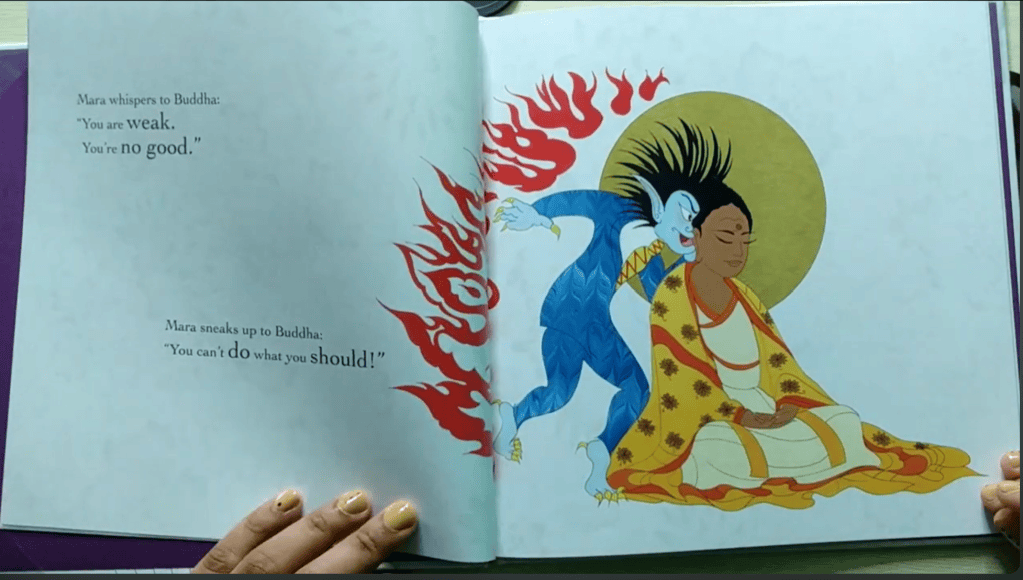
Maras’ work (ལས་ lé) and sphere of activity (སྤྱོད་ཡུལ་, chöyul):
– When you have students who are not properly qualified that’s the work of Mara
– When you have students who lack the karmic good fortune (to study, practice etc.), that’s the work of Mara
– When teachers and students associated with one another while having discordant views and conduct that is the work of the maras
– Being unlucky in learning about and analyzing the teachings and experiencing hardships around this is the work of maras
– Being very diligent, making great efforts, but your practices not hitting the mark or missing the essential point (གནད་དུ་མི་འགྲོ་བའི་བརྩོན་འགྲུས་དྲག་པོ་ né du mi drowé tsöndrü drakpo) is the work of maras
– Associating with the wealthy and famous is the work of maras
– Attracting many followers and expounding the Dharma with pride and arrogance is the work of maras
– Acting as a loppön or master to others even though you yourself don’t have any knowledge or positive spiritual qualities is the work of maras
– Associating with the Three Jewels when you don’t have any reverence or faith towards them in your mind is the work of maras
– Preferring to teach Dharma before taking the time to understand it yourself, is the work of maras
– Wanting siddhis without taking the time to practice is the work of maras
– Doing medical practices and magical ritual practices involving mantra and tendrel, interdependent links and so on merely to make a living is the work of maras
– Selling the Dharma and living off of wrong livelihood is the work of maras
– Making a living off the five kinds of wrong livelihood or ways of earning donations* is the work of maras
*The five kinds of wrong livelihood, has to do with gaining resources through artifice and indirect begging – pretending you lack things and that you aren’t begging for them to convince others to give you things; convincing people to give you things on the basis of what you’ve been given already, by hyping that up; getting things through flattering others; through hypocrisy, convincing people you have knowledge and qualities you don’t possess and getting people to trust in you falsely; getting others to give you things through insistence or coercion.
– Teachers and their circles enjoying material things and distractions and becoming wealthy is the work of maras
– Not rejecting bad sensory objects which harm the mind and relying on them instead, enjoying worldly entertainments (music and games etc.) and yearning for these is the work of maras
– Entering into the thick of worldly affairs and distractions is the work of maras
– Relying on things which cause the increase of conceitedness and pride is the work of maras
– Good quality horses and clothes and the other (personal items) are the work of maras
– Improper, thoughtless, un-self-aware behaviour and actions (behaviour without vigilance) is the work of maras
– Improper indulgence in women (i.e. sex), meat, alcohol, and sleep is the work of maras
– Anything completely motivated by the Eight Worldly Concerns (i.e. gain and loss, pleasure and pain, fame and insignificance, praise and blame) is the work of mara
– A lot of activity and undertakings, a lot of moving and sitting, a lot of talking, and a lot of activity, the mind going in many directions, is the work of maras
In summary, all behaviours not in accordance with Dharma should be understood to be the work and sphere of activity of maras and should be completely avoided.
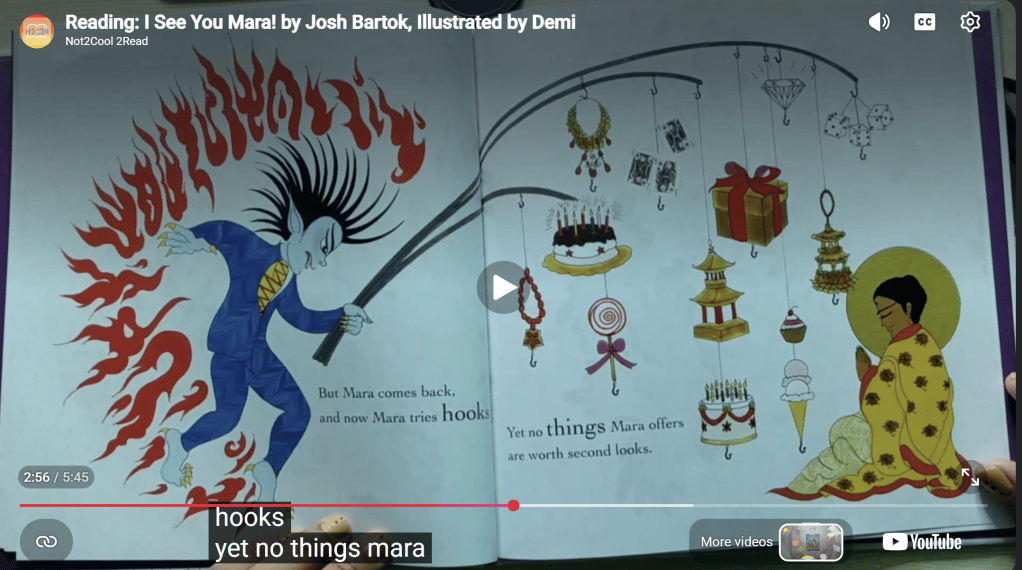
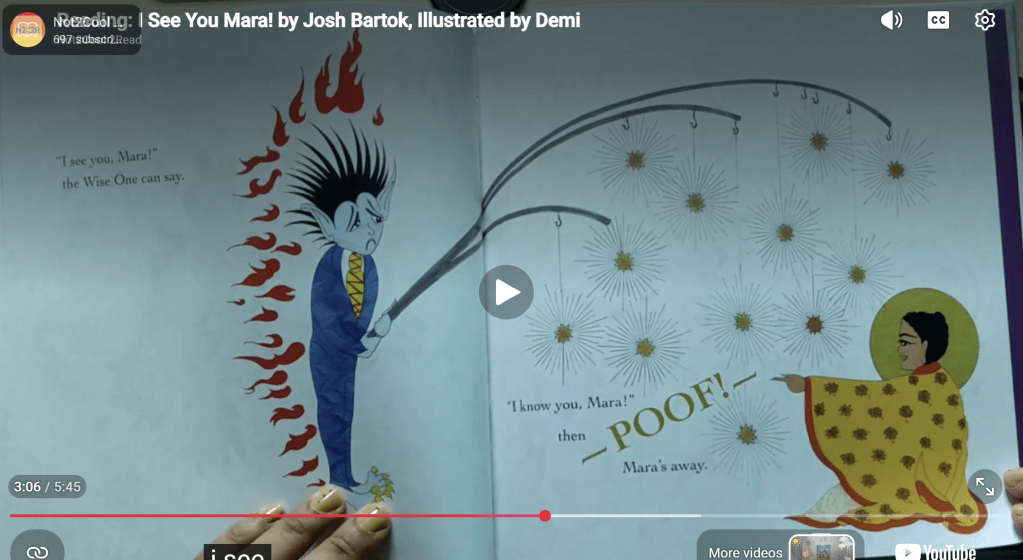
Signs of being Blessed by the Maras:
There are two types of levels of signs of being blessed by the maras: common and uncommon signs
1. Common Signs:
- The five kleshas and poisons blazing much more intensely in your mind-stream than before and there being many circumstances and conditions which motivate you towards them, is a sign of being blessed by the maras
- If your health, strength, or vitality diminishes without there being any reasons or factors to explain it and if your tingngedzin or meditative absorption lapses as a result that is a sign of being blessed by the maras
- If there are suddenly many circumstances that lead to sickness, suffering, pain etc. that is a sign of being blessed by the maras
- If your memory and concentration decline and timuk – ignorance, dullness, and confusion – increasingly clouds your mind that is a sign of being blessed by the maras
- Feeling unhappy and depressed for no reason is a sign of being blessed by the maras
- Wanting to die and making plans to commit suicide and the like is a sign of being blessed by the maras
- Giving the flesh, blood, limbs, appendages etc. of your own body to others at improper moments for this, is a sign of being blessed by the maras
- When your own body feels weak and sad, you harm and despise your body, cut your flesh and limbs and so on for no reason, and do various bad things to your body, those are signs of being blessed by the maras
- If your Bodhichitta deteriorates and you can’t endure any suffering or pain at all for the sake of Dharma, that is a sign of being blessed by the maras
- If wrong views increase greatly and you have a strong desire to engage in wrong conduct that is a sign of being blessed by the maras
- If you can’t trust or believe in Dharma and you’re beset by doubts that is a sign of being blessed by the maras
- If the desire or aspiration for worldly riches arises that is a sign of being blessed by the maras
- If desire-and-attachment towards wealth and resources on the outer level and towards sentient beings on the inner level burns greatly, that is a sign of being blessed by the mara
- If you engage in various high and low physical and verbal behaviors, feel no personal shame or embarrassment, undress and get naked, that is a sign of being blessed by the maras
- If you are short-tempered and get irritated in an indiscriminate way, that is a sign of being blessed by the maras
- If your longing for food and clothing has increased greatly, your sexual desire blazes intensely, and if, at the very least, you can’t free yourself from these inclinations in your dreams, this is a sign of being blessed by the maras
- If you’re excited about engaging in business, farmwork and activities related to the five wrong livelihoods, if virtuous spiritual activities don’t enter in your mind, and if you’d prefer to be lazy and be apathetic, that is a sign of being blessed by the maras
- If you can easily incline yourself to spiritual practice or virtuous activities but can’t actually make your mind serviceable when you start practicing and if when you do start practicing many outer and inner adverse circumstances or obstructions arise, that is a sign of being blessed by the maras
- If you get tired, annoyed, or discouraged during the three activities of studying, analyzing, and meditating and even small obstructions or adverse circumstances make you apathetic that is a sign of being blessed by the maras
- If really positive or negative dreams about all kinds of high or low things occur, that is a sign of being blessed by the maras
- If you don’t want to stay put and really want to move or travel, when one of the five poisons subsides another of them arrives in its place and as a result they end up arising without interruption, and if jealousy, great pride, stinginess, and desire and attachment arise excessively, that is a sign of being blessed by the maras
- If you praise yourself and denigrate others that is a sign of being blessed by the maras
- If you malign the Three Jewels by saying that they are good or bad and being biased towards them, lose faith in and reverence for genuine Gurus and criticize them, if you malign holy individuals, and if in particular you feel animosity to monastics, that is a sign of being blessed by the maras
- If you enjoy material, worldly distractions and amusements, music, entertainment and so on, don’t want to reflect or meditate and if you want to expound Dharma, say mantras, do village rituals, but when you listen to Dharma teachings, chant prayers, read scriptures and so on you always want to sleep, that is a sign of being blessed by the maras
- If you feel fear and terror at night, if your heart twists and shakes, and the luster or healthy glow of your body deteriorates, that is a sign of being blessed by the maras
- If you are accused when innocent, experience ill repute and infamy, if people are hostile to you for no reason, if your friends, patrons, and circle of students who are like your own heart cut ties with you for no reason, and so on, that is a sign of being blessed by the maras
2. Uncommon Signs:
When yogic practitioners set out on the path with great diligence, Mara blesses them in the following ways:
They see the face of the yidam tantric meditational deities directly in visions; they see the faces of the Buddhas and Bodhisattvas directly in visions; prophecies are revealed to them, directly or via voices, about them becoming Buddhas, prophecies are revealed to them about special rebirths, saying “Teach Dharma!”. ‘Keen’ – i.e. clear, accurate psychic – dreams and subtle psychic perceptions arise. Unbearable compassion for sentient beings arises and tears flow. Unobstructed sherap – wisdom or intelligence – that understands all outer and inner phenomena arises. They see and understand golden flowers with inscribed syllables in the sky. Many people gather and material goods fall like rain. Nagini women offer flower garlands and music to them. At times flesh-eating spirits, rakshasas, yakshas and the like, with fearsome clothing, appearance, and accessories, brandishing various weapons, will threaten and strike them. At times, these beings agree to become the practitioners’ servants and other times they take on the appearance of their parents, spiritual masters, and so on. They change Bodhichitta and generate doubt. Light comes from practitioners’ own bodies, at night the entire outer space is filled with light. Their bodies pass unobstructed through walls and other surfaces, they do not drown in water, they are not burned by fire, they fly through the sky or space. The Buddhas of all the ten directions reveal their Bodies and extend their golden-coloured right hands and place them on top of practitioners’ heads. Yogis and yoginis see all the Buddhas of the ten directions teaching Dharma in their respective Pure Lands, they see them radiating out magical emanations (སྤྲུལ་པ་ tulpa). They see the manifest forms of all sentient beings, all six routes and mind-streams of rebirth and they understand the speech of all sentient beings. Their own speech has the power to teach Dharma. They remember their own past lives, are aware of their future lives, all are clearly visible to them. They think to themselves, “Now I have the power to benefit others in an unimpeded way!”. Wherever they go, all beings are brought under their sway. They will cure diseases and spirit provocations merely by coming into the presence of sick people, through simply reciting mantras or ritual ‘declarations of Truth’ (བདེན་པ་བདར་བ་ denpa darwa). All their ordinary desires will be fulfilled just by thinking of or imagining them in their minds, whatever aspiration prayers they make will be accomplished.
(In short,) the maras will create obstacles for diligent yogis and yogis by blessing them in these and other ways, by either giving rise to pride and a sense of self-importance or at other times by giving rise to doubt and second thoughts.
As it says in the Sutras:
“When it comes to being blessed by Mara, there are those who are blessed directly, those who are blessed indirectly, some who are blessed gently and some who are blessed aggressively and intensely. In every way he can, Mara turns yogic practitioners’ minds from Dharma and diminishes their Bodhichitta.”
The previously explained common signs are easy to understand and recognize, but it is difficult to differentiate these uncommon signs from signs of progress on the path, so you should understand them like this:
Authentic, genuine signs (of accomplishment or progress) are that wrong or distorted thoughts or conceptualizations in your own mind are completely liberated, the continuity of your realization of sameness – the equivalency of all phenomena – gets longer and longer. All kleshas get smaller and smaller and subside more and more. The eight worldly concerns all balance out and through this your mind experiences constant bliss, your mind is always happy. Your senses are bright, your inner mental-continuum is completely clear and pure and when good quality tingngedzin (samadhi) arises, in that moment there is no pride, doubt, or indecision whatsoever. You recognize all phenomena to be illusory like in a dream and like the rest of the eight analogies for illusoriness* and your post-meditation experiences are all positive.
*The eight traditional analogies for the illusoriness of relative or conventional reality phenomena differ slightly depending on the list or source in question, but commonly include: a magical illusion; a dream, an echo, a mirage; a city of aerial spirits; a reflection in a mirror; the moon reflected in water; or optical illusions, meteoreological phenomena like rainbows, tulpa or magically emanated forms or projections etc.
If you experience the opposite of any of these and if your post-meditation experiences are negative, those are signs of having been blessed by the maras.
In your post-meditation experience is filled with fear and anxiety, if you feel unhappy and sad, if your mind doesn’t want to apply itself (to Dharma practice), if afflictive emotional-mental states like pride and so on intensify – in sum, even if the indications associated with everything from attaining tingngedzin/samadhi of the Great Path of Accumulation to the realizations of the Ten Bhumis arise, but you don’t understand their attributes and grasp onto them as concrete and as signs and if your mind is unhappy and through this it is filled with hopes and fears and becomes proud and conceited – then this is a sign that you have been blessed by the maras.
If regardless of what mental objects arise your mind does not waver from the Dharmata and if you fully understand all their defining characteristics then that’s a sign of genuine accomplishment.
***********************************************************
End of Part III.
Some Closing Reflections:
– Being ‘blessed’ by the maras is a striking turn of phrase. It’s noteworthy how many of the maras’ blessings are not only connected with distractions from spiritual practice but perversions of spirituality. A lot of the scenarious outlined here describe intensive engagement in what at least appears to be Dharma activity as itself being an indication of mara influence. And by the time we get to the uncommon signs of maras’ blessings, those found among dedicated and experienced tantric yogis and yoginis, these signs are, as Patrül/Chegompa himself notes, almost indistinguishable from signs of accomplishment on the Path. In the end, what distinguishing genuine, positive signs of accomplishment from obstructive mara ones is not the reality of one’s spiritual accomplishments, powers, or realizations, but the extent to which these are accompanied by a deepening tranquility and evenness of mind, a more profound selflessness and humility, a deepening appreciation of the truth of things. In sum, it would seem that maras’ blessings boil down to two basic factors: one, stirring up pride, self-importance, agitated self-grasping and two, stirring up doubt, fear, and uncertainty.
– There is an arguably monastic bent to this text, which should come as no particular surprise given that both Chegompa and Patrül were monks who strongly emphasized practicing in isolated retreat away from the distractions of worldly life. Don’t get me wrong: I think the distinction between Buddhist monastics and Buddhist tantric householder yogis and yoginis is often overplayed when it comes to the question of renunciation: renouncing attachment to worldly life, appearances, and activities is a key, foundational component of both householder and non-householder practitioners’ paths of practice. I am not sure that Chegompa had modern people living in metropolises with smartphones and contemporary jobs in mind when he wrote things like “living close to cities or big marketplaces causes maras to enter”, but his point probably still holds! While there may be a monastic slant to some of the commentary and suggestions here, in terms of basic principles I’m not sure the text would necessary need to be updated or adjusted for modern, laypeople, but as always your mileage may vary. In the end, it is practitioners’ relationships with material accumulation, livelihood, other people, where they live, and their spiritual practice, their inner state of being in relation to these things, which counts most, rather than superficial prescriptions about bustling cities or having money or lots of clothes always being bad (not that the text observes that beginner practitioners who are not ready for extended solitary retreat wanting to be alone and isolated can also be a problem!)
– There are some points in this diagnostic section which parallel what in other contexts might be framed as psychiatric conditions – suicidal ideation, impulses to self-harm, anhedonia, apathy, and mood disorders all appear here as signs of mara influence and activity. Mara influence also manifests as classic ‘night terror’ bump-in-the-night spirit visitation phenomena too, as well as in much more subtle or ‘secret level’ ways having to do with practitioners’ overal motivation and orientation to spiritual practice in general. In this latter sense, a lot of what ends up being maras’ blessings look a lot like the so-called ‘near enemies’ of spiritual cultivation, as described by Buddhaghosa in his 5th century Pali text, the Visuddhimagga sixth century, a text and concept which seems to have had considerable influence on English-speaking Buddhist converts, but which as far as I know was not transmitted to Tibet or translated into Tibetan (this based on a 1993 article by Peter Skilling, though, who notes that Gendün Chöpel encountered Buddhaghosa and the Visuddhimagga as an unfamiliar text during his sojourn in Ceylon/Sri Lanka during the 1930s and 40s. Skilling says that Gendün Chöpel transcribed the word Pali into Tibetan for the first time then – let me know if you, readers, have any further inside into this. I believe some Pali texts that may have inspired Buddhaghosa did find their way into the Tibetan canon). In any case, I find it interesting how much mara-influence ends up looking like a ‘near’ or ‘intimate’ enemy – the cultivation of spiritual virtue of something potentially positive, going a little – and with time, a lot – astray.
What did you find interesting in this Part? In the fourth and final section of the text, Chegompa moves on to talk about how to treat or deal with Mara and maras, so watch this space!