
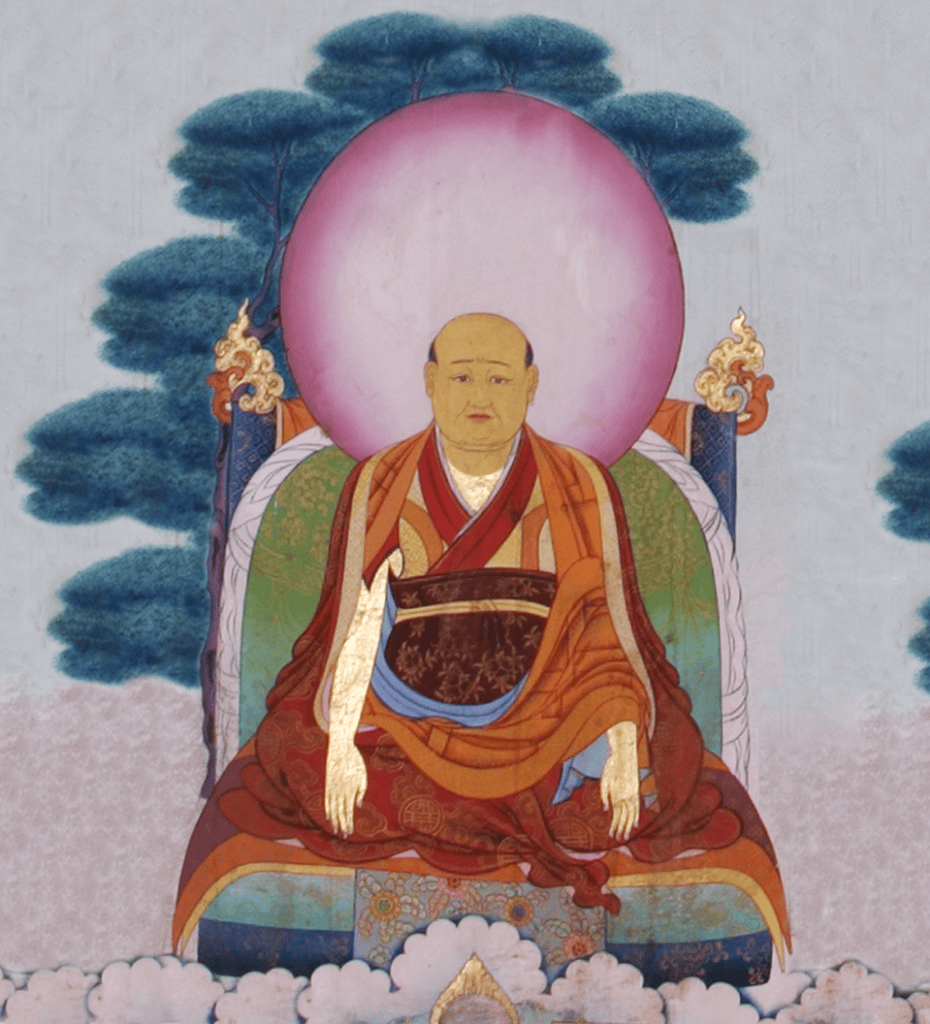
In the interest of starting to post here a bit more regularly, I figured I would share, in installments, a rough translation of an interesting Tibetan text I came across recently. The text is by Dza Patrül Rinpoche (1808 – 1887 – Patrül has become the quasi-standard English phoneticization, but it could just as well be Peltrül), a prominent scholar-practitioner of the Nyingma school of Tibetan Buddhism, who is perhaps best known today for his extensive commentary on the ngöndro, i.e. the foundational, preliminary practices of the Longchen Nyingthig system, called ཀུན་བཟང་བླ་མའི་ཞལ་ལུང་ Künzang Lamé Zhelung, ‘The Direct Oral Instructions of the Guru who is one and the same as Samantabhadra’, better-known as ‘Words of My Perfect Teacher’. The text I’d like to share here is, also included in Patrül Rinpoche’s collected works and is titled བདུད་ཀྱི་རྒྱུ་བརྟགས་ཏེ་སྤོང་ཚུལ་གྱི་མན་ངག་བདུད་ལས་རྣམ་རྒྱལ་ ‘Complete Victory over Mara: Pith Instructions on how to Diagnose the Causes of Mara or Obstructing Demons and the Methods for Avoiding Them’. I cited the final paragraph from this ‘Complete Victory over Mara’ text in a recent interview I did with Steve James on the Guru Viking podcast on the Tibetan concept of gek or obstacles which arise in the course of meditation and spiritual practice. As it happens, the text is not an original composition, but as Patrül explains in the colophon, is his reworking of a chapter by the same name found in ‘The Heap of Precious Pith Oral Instructions’ མན་ངག་རིན་ཆེན་སྤུངས་པ་ Mengngak Rinchen Pungpa, a treatise by the influential Tibetan Kadampa master Chegompa, who was born in 1130. Patrül Rinpoche notes that he has summarized the original chapter, has edited its wording slightly, in order to rework it into ‘notes’ or a more bulleted form (ཟིན་ཐུན་དུ་སྤེལ་བ་). This is very kind of him, since it makes the key points of Chegompa’s chapter easier for students like us to access, study, and memorize. Since there’s so much of interest in the text, I’d like to share it in its entirety here, with a few personal reflections along the way.
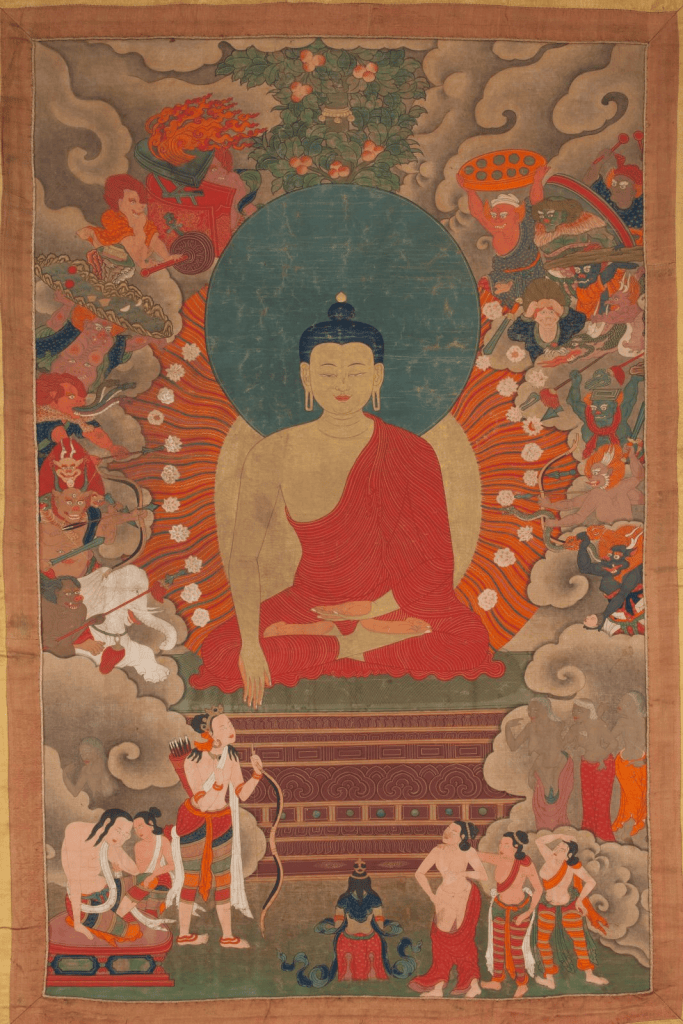
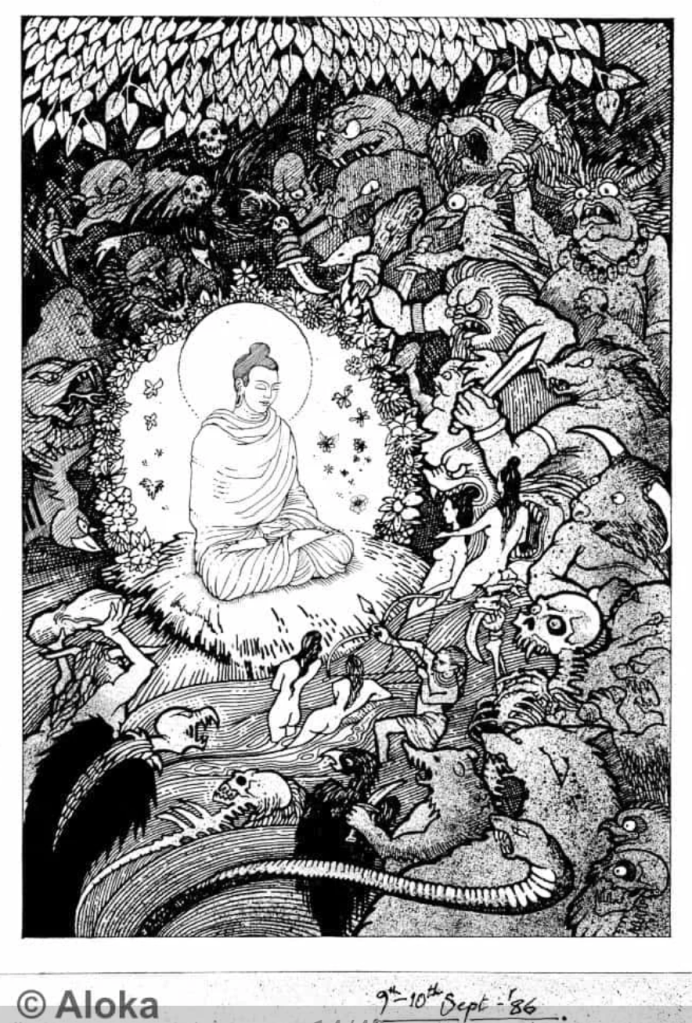
As the title of Patrül Rinpoche’s text suggests, it is a set of instructions about how to identify and deal with བདུད་ dü, Mara or maras in Sanskrit. Mara, the closest thing to a kind of ‘Satan’ figure of Buddhist traditions, is the cosmological being or force who attempts to derail the Buddha of our age, Shakyamuni Buddha Siddhartha Gautama on the verge of his enlightenment. In narrative hagiographical accounts, Mara – whose name in Sanskrit is etymologically connected with words for death, decay, and destruction (and is probably also etymological related to the -mare in the English nightmare), is represented as a kind of high-level lha, a celestial deity or deva, who rules over the Desire Realm of sensuous entanglement in which we humans find ourselves. Often referred to as the ‘Evil’, ‘Sinful’ or ‘Non-Virtuous One’, (སྡིག་པ་ཅན་ dikpachen in Tibetan), he functions as a kind of demonic opposer and accuser, a being committed to maintaining the status-quo of ordinary suffering. Resenting that the Buddha is about to free himself from the snares of conditioned existence, from causality, death, rebirth, and suffering, he shows up along with his sons and daughters and demonic armies, to distract the Buddha, to make him doubt himself and to divert him from his course (Spoiler Alert: the Buddha thwarts Mara in return, routing him by calling upon the living intelligence and presence of the Earth as a witness to the great meritorious acts of generosity and the other Perfections he has accomplished in countless previous lives that have enabled him to sit beneath the Bodhi Tree and become fully awakened. He also overturns the aggressive and seductive attempts at derailment launched by Mara’s sons and daughters as well).
In Buddhist traditions, Mara is at once a specific cosmological being with a particular function and biography, a class of ‘demonic’ non-human being with diverse sub-categories, and any action, circumstance, force, or phenomenon which operates in a mara-like way. In Tibetan understanding, a mara is ultimately anything which creates obstacles for Buddhist practitioners, which stops them from progressing in spiritual practice, from gaining realization, actualizing positive qualities, or from accomplishing virtue or merit. In this understanding, demonic opposition can be simultaneously understood as the activity of adversarial spiritual beings and powers and as more internal, psychological impulses. It is probably fair to say that one of the hallmarks of Buddhism writ large is its consistent willingness (insistence, even!) to understand external demonic forces or obstructive circumstances as having inner correlates (Buddhism isn’t called Nangdön Rigpa, ནང་དོན་རིག་པ་ ‘The science or study of inner realities, meanings, or concerns’ for nothing!). This theory of the demonic is also inherently non-essentializing or absolutist: an ostensibly virtuous, recommended, or spiritual practice could easily become or function like a mara under particular circumstances or if related to the wrong way, just as plainly demonic opposers can be recognized, overturned, and transformed, just as the Buddha himself showed us (while Mara remains a sort of arch-antagonist foil in many Buddhist contexts, the thing to be conquered and transcended, there are a few striking examples in Mahayana texts of Mara having his own redemption arc, where he ultimately converts to Buddhism and commits to the Path of Liberation. These narratives have interesting cosmological implications – even if one celestial deity functioning as Mara in a particular time, place, or context converts and quits ‘Mara-ing’, this does not mean Cosmic Evil is forever vanquished and gone from the multi-verse. There will always be other beings and phenomena fulfilling the Mara-function, ‘holding down the Mara fort’, as long as beings continue to aspire on the Path).
In the opening section of their mara text, Patrül and Chegompa begin by explaining that the endless variety of maras can, luckily for us, be boiled down to just two broad categories: general maras and specific ones. In this post I will share Patrül Rinpoche and Chegompa’s commentary on the first of these categories, the general or broadly common maras. These are the བདུད་བཞི་ dü zhi, ‘The Four Maras’ scheme, where Mara appears as factors baked into the very nature of samsaric existence and ordinary mental activity, as well as as a type of non-human being or demonic adversarial energy.
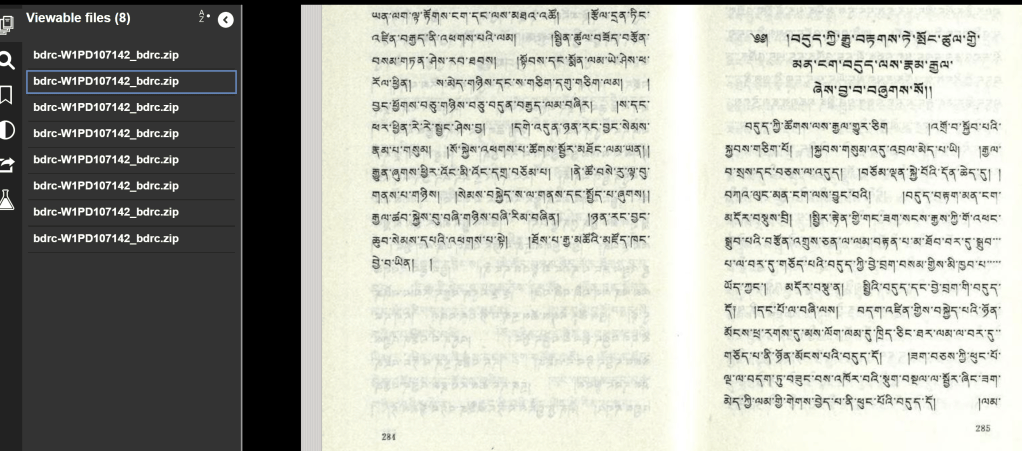
(If you would like to read the Tibetan original of Patrül’s text you can find it here at the Internet Archive. It’s in Volume 3 of Patrül’s collected works, starting from page 285 of the scanned text, which is in the second zip file in the left-side file list)
Complete Victory over Mara: Pith Instructions on how to Diagnose the Causes of Mara or Obstructing Demons and the Methods for Avoiding Them
May we be victorious over the hordes of maras!
I bow to the sole Refuge that protects transmigrating beings,
To all the Buddhas and Bodhisattvas who are inseparable from the Three Jewels of Refuge!
O Bhagavan, to benefit humans, I will write a brief summary of the pith, oral instructions on diagnosing maras, drawn from the kama (the scriptures of the Buddhas’ spoken teachings), the lung or agamas, and the mengngak, the pith oral instructions.
The number of specific maras which make obstacles for individuals who strive diligently to accomplish the state of Buddhahood, until such a point as they gain stability on the path, is beyond imagining. Nonetheless, if one had to summarize, there are two categories of mara: general mara and specific mara.
1. General maras
There are four types of general mara.
1.1. The Mara/maras of the kleshas:
The Mara/maras of the kleshas are the many different subtle and gross nyönmong or kleshas – i.e. the afflictive mental emotional states – which are generated from self-grasping and which lead practitioners onto the wrong path and create obstacles on the path to liberation.
1.2. The Mara/maras of the aggregates:
Through clinging onto the five conditioned, corruptible aggregates (zakché ki pungpo, ཟག་བཅས་ཀྱི་ཕུང་པོ་) as self, the Mara/maras of the aggregates subject practitioners to the sufferings of samsara and cause obstacles (gek) on the unconditioned, incorruptible path (zakmé ki lam, ཟག་མེད་ཀྱི་ལམ་).
1.3. The Mara/maras of the Lord of Death:
The Mara of the Lord of Death robs one of one’s longevity and life, whether in a timely or untimely way, leaving no time or opportunity to accomplish the ultimate goal.
1.4. The Deva Mara/deity maras:
The work or function (lé, ལས་) of the deva or deity maras, of the Lord of the Desire Realm Garap Wangchuk (Kamadeva), his Queen, their retinue, and their retinue’s retinue, and all the immeasurable retinues of deities who belong to the ‘mara’ category, is as follows: the Non-Virtuous One Mara and his wife shoot out the five flower arrows, like the one that induces haughtiness or pride (and the arrows connected with the other poisons) from the space between their brows. Anyone who is struck by one of these arrows, whichever of the five kleshas is predominant in them will blaze intensely. Having fallen under the power of this klesha, they will then fall away from the Path of Buddhahood.
The four Worldly Protectors (jikten kyongwa zhi, འཇིག་རྟེན་སྐྱོང་བ་བཞི་) that are in the mara deity retinue are:
1. The Mara who create conflicts – who causes many problems or faults associated with practitioners on the path engaging in conflicts and quarrels with others.
2. The distraction-creating Mara who increase distractions, encourages engagement with busy worldly activities, and increases sleepiness and dullness during all the three activities of listening (i.e. studying), analyzing, and meditating.
3. The Mara who creates intense and excessive attachment-and-desire who mostly makes obstacles for householders. When you engage in generosity, it induces the thought “I and my wife and children really need this instead” along with the visceral perception that you would sooner cut off your own flesh than dare give that thing up.
4. The maras who pervert perceptions, who mostly harm monastic renouncers. When you have the desire to become a monk or nun, they make you think about the pleasures of sex, about food and drink, about your family, about singing and dancing, and so on and cause you to become attached to these. They cause your own relatives and other people close to you to make you delay your decision to take vows, through various enticements and non- virtuous activities. Further, they remind those who have already become monks or nuns of the pleasures of sex, bring to mind their former loved ones, business pursuits and worldly activities like farmwork, handicrafts, and medical practice. They cause an intense desire to achieve material, worldly riches and pleasures. They also use various methods to bring down monks’ celibate conduct or to bring them into defilement, like magically emanating as women in dreams to incite sexual desire and attachment and making them ‘deplete their constituents’ (i.e. through nocturnal emissions).
Alternatively, all four kinds of maras encourage harmful lü (naga) and nödjin (yaksha) spirits to take the lives and life-force of Dharma practitioners and to afflict their bodies with sicknesses. The thirty-six kinds of yidak (preta) spirits which belong to the mara category terrify meditators focused on cultivating samten (i.e. meditative concentration) with many different hideous forms and unpleasant sounds. They also manifest in the forms of Buddhas adorned with the major and minor marks and create obstacles by giving rise to mental states of pride and conceitedness.
In this way, the reason Mara is hostile towards Dharma practitioners is as follows: when a person revolts against their own ruler, to use an analogy, the king resorts to many different methods to fight back against them. In the same way, when a karmically-fortunate individual turns their mind against samsara, develops faith in the Three Jewels, and applies themselves diligently to the three activities of studying, analyzing, and meditating, Mara thinks “This one has gone beyond our reach, beyond our sphere of activity, and into the sphere of the Buddha Bhagavan!. All sentient beings will exceed my reach in the same way!”. This makes Mara unhappy and he then creates obstacles in whatever way he can.
*The Tibetan translations for ‘Buddha Bhagavan’ are instructive here, by the way. Buddha or Buddhahood in Tibetan is sanggyé, སངས་རྒྱས་, a term composed of two verbs, sangwa, to clear up or away (like to clear away a stain, the dissolving of an obscuring cloud in the sky, the dispelling of the darkness of ignorance or sleep etc.) and gyepa, to expand, increase, develop, or blossom (as in the blossoming and unfolding, the complete development of inner enlightened qualities and virtues, wisdom, compassion, love, generosity etc.). A Buddha, etymologically speaking, is one who has cleared away all obstacles, obscurations, defilements, and blockages, to reveal their innate pure luminous sky-like awakened nature, who then also develops or manifests the fullness of their potential, Emptiness-and-Fullness inseparable. Bhagavan is translated in an ‘exegetical’ way with three Tibetan syllables, jomdendé, བཅོམ་ལྡན་འདས་, jom = conquered, den = endowed with, possessing, and dé = transcending, going beyond. These standard Tibetan translations for technical titles convey something of what the ‘domain’ or ‘sphere’ of Buddhahood entails.
******************************************************************************************************
Further, just like how, when one sees that the children of one’s enemy are smart and quick-witted, one feels afraid and strives to find a way to get rid of these offspring before they can get any bigger or older, in the same the way, the various kinds of mara create many kinds of harm for ordinary people who are devoted, diligent, intelligent, and pure-intentioned and in whose individual mind-streams Bodhichitta has arisen.
It is clearly explained in the Do Dü (མདོ་སྡུད་, the ‘Summary of the Prajnaparamita Sutra’) and in other scriptures how the maras strive diligently to create many different obstacles for practitioners of the Holy Dharma and how all the Buddhas of the ten directions work diligently to liberate them from these very obstacles as well. Further, the rigor with which Mara strives to create obstacles for individual Dharma practitioners matches the degree to which they themselves strive in Dharma, whether their diligence is great, average, or minimal.
As it says in the Jampel Nampar Rölpé Do (འཇམ་དཔལ་རྣམ་པར་རོལ་པའི་མདོ་ Mañjuśrīvikrīḍitasūtra, the ‘Complete Manifestation or Display of Manjushri’ Sutra):
“The deity prince asked: “Manjushri, how should the Bodhisattvas understand the lé – the activity, workings etc. – of the maras to arise?” Manjushri replied: “Deity prince, the Bodhisattvas should understand the actions of the maras to come from tsöndrü – diligence, dedication, or vigorous effort. Why is this? Because what need is there for maras for one who is not diligent? Not having diligence is itself Mara.”*
*******************************************************************************************
There seems to be a little confusion in ascription here. The above citation from Chegompa, which Patrül repeats verbatim, is not actually found in the actual Jampel Nampar Rölpa sutra (you can read the 84 000 translation of that text here). As it happens, the teaching in question is from a similarly named Mahayana sutra, འཕགས་པ་འཇམ་དཔལ་རྣམ་པར་འཕྲུལ་པའི་ལེའུ་, Pakpa Jampel Nampar Trülpé Le’u, ‘The Chapter on the Magical Emanation of Noble Manjushri’, Āryamañjuśrīvikurvāṇaparivarta). In that text, we find a slightly different version of the Q&A exchange between the Bodhisattva of Wisdom Manjushri and a deity (the deity in question is identified as a deity prince called Wö Mangpo, ‘Much Light’). Here’s the alternative version from the actual sutra:
ལྷའི་བུས་སྨྲས་པ། འཇམ་དཔལ་བདུད་ཀྱི་ལས་ག་ལས་འབྱུང་། འཇམ་དཔལ་གྱིས་སྨྲས་པ། ལྷའི་བུ་བདུད་ཀྱི་ལས་ནི་བརྩོན་པ་ལས་འབྱུང་ངོ་། །དེ་ཅིའི་ཕྱིར་ཞེ་ན། ལྷའི་བུ་བརྩོན་པ་ལ་བདུད་ཀྱི་ གླགས་ཚོལ་གྱི་མི་བརྩོན་པ་ལ་བདུད་ཀྱིས་ཅི་ཞིག་བྱ་བར་འགྱུར་ཏེ། དེ་ཉིད་བདུད་ཀྱི་ལས་ཡིན་ནོ། །
“The deity prince asked: ‘Manjushri, from where does the maras’ lé (activity, function, work etc.) arise?’ Manjushri replied: ‘Deity prince, the lé of the maras arises from tsöndrü.’ Why is this? Deity prince, it is because with those who are diligent, who are dedicated, the maras have the opportunity (to do harm). What use would maras have for those who aren’t diligent? Non-diligence itself is maras’ work.”
You can read the 84 000 project translation of the sutra here (the verse in question is 1.4, with a slightly different translation, especially of the last line). Chegompa may have paraphrased the lines from the sutra from memory and may have gotten the two similarly named sutras mixed up. Here is the phrasing that Patrül reproduces directly from Chegompa’s original:
འཇམ་དཔལ་རྣམ་པར་རོལ་པའི་མདོ་ལས། ལྷའི་བུས་སྨྲས་པ།འཇམ་དཔལ་བྱང་ཆུབ་སེམས་དཔའ་རྣམས་ཀྱིས་བདུད་ལས་འབྱུང་བར་རིག་པར་བྱ། ། འཇམ་དཔལ་གྱིས་སྨྲས་པ། ལྷའི་བུ་བྱང་ཆུབ་སེམས་དཔའ་རྣམས་ཀྱི་བདུད་ཀྱི་ལས་ནི་བརྩོན་འགྲུས་ལས་འབྱུང་བར་རིག་པར་བྱའོ། །དེ་ཅིའི་ཕྱིར་ཞེ་ན། མི་བརྩོན་པ་ལ་ནི་བདུད་ཀྱིས་ཅི་ཞིག་བྱ་སྟེ། དེ་ཉིད་བདུད་ཡིན་པའི་ཕྱིར་རོ། །ཞེས་གསུངས་སོ། །
*****************************************************************************************************
Translation continues:
Thus, all kinds of different scenarios will arise, where individuals either fall under the power of maras or don’t in connection with the specific degree to which these individuals have previously accumulated merit or not, have been accepted by genuine spiritual guides or not, whether their intelligence or bravery is great or small, whether they have received a lot of oral instructions or very little, whether their mind is stable or unstable, and so on. Knowing how to diagnose when the maras are definitely hard at work and knowing how to avoid them is crucial.
The antidotes or remediative methods for avoiding these four general type of maras will be taught below…
Closing Reflections:
That completes the first part of the text. Some things which stand out for me:
– The common scheme of the Four Maras, often mentioned in Tibetan Buddhist and other Buddhist sources, already has the link between an outer, cosmological deity-agent conception of Mara/maras and more impersonal, pervasive ‘opposers’ built-in. Ultimately, it is the impermanent, compounded nature of self and phenomena that ‘thwarts’ practitioners. They must inevitably confront their and other’s shifting, unreliable natures, the corruptibility of their bodies, possessions, and plans, the challenges of their concepts and emotions, their ultimate mortality, regardless of the extent to which they meet other ‘demons’ on the path. The last of the four, the category of maras that are deities or spirits invested firmly in the sensuous realm of conditioned existence, ties back in with the maras of the afflictive emotional and mental states, since it is the piercing ‘arrows’ of these beings that causes these states to flare up with particular intensity.
– One nice part about this explanation of the deity maras’ activity – the ‘work of the devils’ who are also deities in heaven – is how it frames a central mythic or cosmological element of the Buddha’s heroic journey to Enlightenment, i.e. his attack by Mara and his sons and daughters – into something that all of us can and will experience on an individual, psychological level. The term Chegompa uses for the deity maras’ arrows, metok ki da, མེ་ཏོག་གི་མདའ་ is a Tantric Buddhist term which the Mönlam Chenmo Tibetan-Tibetan dictionary defines as ‘a weapon which does not leave a bodily wound but pierces the heart’ – i.e. the emotional-mental trauma of the kleshas. You’ll recall too that the arrows and other weapons that the mara hordes hurled at Shakyamuni Buddha were transformed into a shower of flower garlands and petals and rendered utterly harmless. So we have here an interesting nexus of imagery and associations for practitioners.
– Another interesting point is that other categories of potentially neutral spirits – watery, cthonic nagas, tree and treasure associated yakshas and yakshinis, can themselves function or be classified as maras when they end up for whatever reason creating obstacles for spiritual practitioners, making them sick, distracting them, enticing them, and so on. Some spirits may have past or this-life beef with individuals and may not be specifically interested in derailing practitioners’ Buddhist practice, they may just be retailiating to some slight or harm done to them by often oblivious, egregious humans. Other kinds of spirit may specifically make it their business to act as maras and mislead, terrify, and obstruct practitioners from progressing on the Buddhist path. Later in the text, in a subsequent part, Chegompa explains that Mara/maras may stir up non-human spirits in the vicinity of practitioners in order to derail them, essentially using these non-human beings as unwitting middlemen (more to come in future installments!). The observation that mara pretas may appear as terrifying demons or as counterfeit deceiving, self-inflating Buddhas is interesting as well. One of the narratives I alluded to above, about the redemption of Mara, can be found in the Aśokāvadāna, a collection of legendary narratives connected with the Indian Buddhist King Ashoka. Here the King’s personal spiritual teacher, the realized monk-meditator Upagupta, conquers Mara and convinces him to convert to Buddhism. Once this occurs he asks the Demon God of Desire if he will do him a favour: manifest as a perfect replica of what the historical Buddha actually looked like. Scholar Jonathan S. Strong explains:
“Upagupta is best known, however, as the converter of Mara, the Evil One of Buddhist mythology. Mara, who functions in Buddhism as a sort of satanic tempter, had been successfully resisted by the Buddha at Bodhgaya, but he had not actually been defeated. Hence he was still abroad in the world and tempting saintly monks and nuns. Upagupta’s encounter with him comes early in his preaching career at Mathura. Mara is interfering with Upagupta’s sermons there by showering pearls and gold down on his audience, thus totally distracting his listeners. When, the next day, he stages a magical show of dancing girls and musicians, Upagupta decides the time has come to act. He takes several corpses, momentarily metamorphoses them into a garland of flowers, and pretending to honor Mara, places them around his neck. Mara, soon realizing that these are not flowers but dead bodies, desperately tries to remove them, but he cannot counter Upagupta’s magical powers. Thus bound, he is forced to recognize the superiority of the Buddha and his disciple, and he is soon converted to the good Dharma.
Having tamed Mara, Upagupta then asks him a favor. By virtue of his own enlightenment, he says, he has seen the dharmakaya (doctrinal body) of the Buddha many times, but he has never seen his rupakaya (his physical form). Would Mara be willing to take on the appearance of the Buddha, by means of his magical powers, and show it to him? Mara, who, of course, had personally known the Buddha, agrees to do so. He magically appears before Upagupta in the magnificent guise of the Blessed One, and Upagupta, thinking he is actually seeing the Buddha, gets carried away in an excess of devotion and falls down and worships Mara. Mara, who himself has just come to recognize the greatness of the Buddha, is rather taken aback by this, and he quickly puts an end to what he thinks of as Upagupta’s idolatry. The latter, however, justifies his act by claiming it is really just the same as paying puja (ritually worshiping) to an image of the Blessed One.” (p. 77 – 78, from The Legend of King Asoka A Study and Translation of the Aśokāvadāna, originally published 1983 by Princeton University Press)
There are too many fascinating elements here to dive into right now, but the idea of Mara posing as Buddha, warning an accomplished practitioner not to be taken in by the subterfuge, only for said practitioner to school him in turn on the centrality of intentionality, positionality, and aspiration in Buddhism is very interesting and yet again highlights just how relative the categories of obstacle/ally, blockage/blessing really are.
– I find the idea that Mara works extra hard when Buddhist practitioners also make great efforts to practice and the idea that Mara basically doesn’t have to come into work when we ourselves don’t bother to practice a really great and funny insight. Maras emerge from our diligence, dedication, and commitment. This reminds me of how some Christian contemplatives argued that sloth or depressive apathy was the gravest of all mortal sins, because it ensured that you didn’t even bother to try to get free. Something similar is at play here, I think. Something which adds a new meaning to ‘Idle hands do the Devil’s work’ and suggests another English adage, i.e. ‘with friends like these, who needs enemies’, only reworked in a more Buddhist way as ‘with practitioners like these, who needs Mara’!. I also appreciated Chegompa’s point that all authoritative sources agree that while countless maras are working tirelessly to thwart practitioners, countless Buddhas are also always working to support practitioners and to thwart the thwarting as well. We can all take great heart in that!
What did you find interesting? Feel free to let me know!


Pingback: Devils Outside, Devils Inside, Devils of the View: Patrül Rinpoche’s Text on Diagnosing and Avoiding Maras, Part II | A Perfumed Skull
Pingback: Blessed But Badly -The Causes and Signs of Mara Influence: Patrül Rinpoche’s Text on Diagnosing and Avoiding Maras, Part III | A Perfumed Skull