No More Metaphors: Milarepa’s Teaching to a Ngakpa about the Magic of True Siddhas

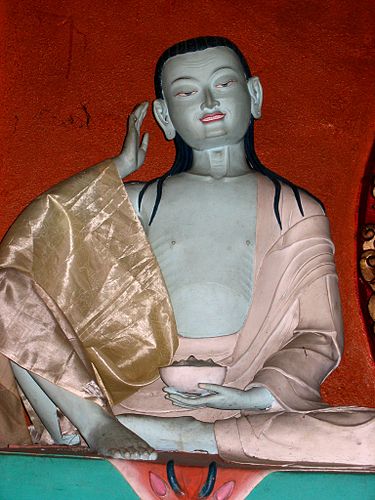
A statue of Milarepa, in his characteristic green colour, from Helambu, Nepal, and Wikipedia.

I was recently reading through Tsangnyön Heruka’s 15th century (1488 to be exact) biography of the celebrated 11th century Tibetan yogi and cultural hero Milarepa. Tsangnyön Heruka – the ‘crazy tantric yogi from Tsang’ (1452 – 1507) – reorganized and codified Milarepa’s biography from various sources, and separated this out from Milarepa’s མགུར་འབུམ་ gurbum or compendium of spiritual teaching songs. Gur is a Buddhist/tantric textual genre for which Milarepa is most famous, and refers to songs or poems which accomplished spiritual adepts are said to compose on the spot to convey in musical and poetic form key spiritual truths for audiences.

While perusing Tsangnyön Heruka’s collection of Milarepa’s songs I came across a narrative which he calls སྔགས་པའི་ཞུས་ལན་གྱི་སྐོར་ ‘Concerning Questions-and-Answers with a Ngakpa’. Readers here will probably know that my doctoral research as a cultural anthropologist was focused on Tibetan Buddhist ngakpa, or non-celibate, non-monastic tantric householders and sorcerers. I find Milarepa’s exchange with this unnamed ngakpa quite beautiful and interesting, so I thought I would share my own translation of it here. Garma C.C. Chang translated this song into English in the 60s in his ‘The Hundred Thousand Songs of Milarepa’ (Vol. 2). I’ve reproduced his translation at the end of this post. While it has many lovely qualities, I feel that it doesn’t quite capture the thrust of some of Milarepa’s responses, which I’d like draw out more here. The gist of the short narrative is that an unnamed ngakpa from དབུས་ཕྱོགས་ Üchok, Wüchok, the region of Central Tibet, comes one day to have an audience with Milarepa. Milarepa’s yogi disciple Seban Repa asks this ngakpa what type of གྲུབ་ཐོབ་ druptop or siddhas there are where he’s from. Siddhas – literally ‘spiritually accomplished ones’, people with spiritual attainments – are yogis who have achieved various spiritual powers, ranging from mastery of psychic and healing abilities, magical powers, to meditative attainment and complete Buddhahood. Seban Repa’s opening salvo is effectively, ‘How powerful/realized are your yogis and sorcerers back home, yogi-sorcerer?’ The visiting ngakpa explains that the siddhas in his region are of such calibre that they are served or waited upon by non-human beings. It is at this point that Milarepa chimes in with a provocation:

Continue reading

To See is to Call: Tantric Visualization, Summoning Spirits and the Mind as Petting Zoo

dakini-09

(Crushed marble sculptural installation ‘Flying Dakini’ 2014, by artist Agnes Arellano)

The other day I got sucked into a Facebook comment thread which got me thinking about the connection between translation strategies and the ways that practitioners think about and actually practice religious texts. To give you a little context, the thread was about spirit conjuration procedures and offering practices as found in Western magical traditions, and as the discussion unfolded I found myself reflecting upon the way that certain key technical terms often found in Tibetan sadhanas or tantric ritual manuals have been translated into English.

Translation is a double-edged process – to translate a thing involves both drawing it near and holding it apart. Depending on the circumstances, understanding can arise as much from domesticating a term in a target language as it can from choosing to hold onto a word’s strangeness through a literal translation. What is lost and gained, for example, when we translate the Sanskrit Dakini/Tibetan Khandroma – a tantric goddess – with a loaded Judeo-Christian-Islamic term like angel, and what is obscured, what is illuminated when we opt for say, a literal translation of the Tibetan term (khandroma, mkha’ ‘gro ma) ‘female sky-goer’? Continue reading

A Banquet of Nectar: Dilgo Khyentse Rinpoche’s Advice for the Rebgong Tantric Community

image-21-657x540

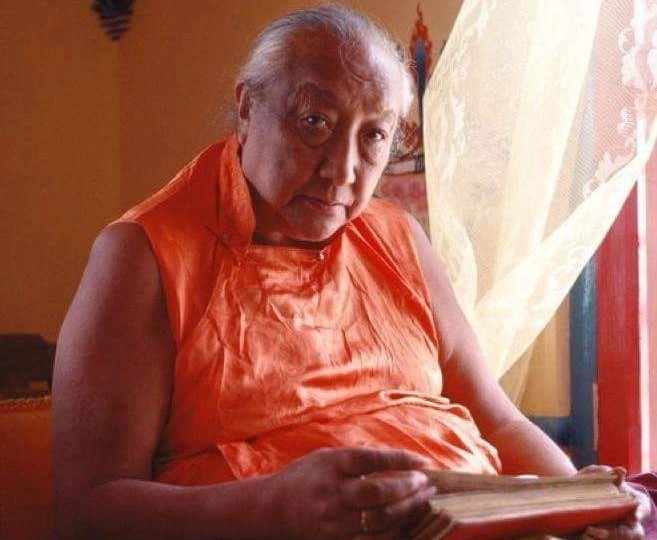
(His Holiness, Dilgo Khyentse Rinpoche)

Following on from an earlier post where I offered a rough translation of a Tibetan praise-poem to the long-haired, white-robed community of non-celibate tantric Buddhist ngakpa and ngakma, I thought I would share an equally rough translation of another ཞལ་གདམས (zhal gdams, pronounced something like shaldahm/jaldahm) or ‘oral advice’ text for ngakpa – this time, one given by the great tantric yogi, scholar, treasure revealer and Dzogchen meditation master His Holiness Dilgo Khyentse Rinpoche. Continue reading

Tantric Sex Partners, Actual and ‘Imagined’: Tibetan Karmamudra, and the Life and Times of Lelung Jedrung Zhepai Dorje

lelung shepe dorje

(The Great Fifth Lelung Jedrung Rinpoche, Zhepai Dorje)

Recently, Tibetan scholar, traditional physician and yogi Dr Nyida Chenaktsang told me about (and gave me permission to read) a short text by the 18th century Tibetan yogi and visionary saint or ‘treasure revealer’, Lelung Jedrung Zhepai Dorje (sle lung rje drung bzhad pa’i rdo rje, 1697-1740). This saint, whose name means something like ‘the Jedrung reincanation, the laughing/proclaiming tantric thunderbolt, or non-dual reality from the Lelung region’, is also known by the personal names Trinlay Wangpo and Lobsang Trinlay. He was born in Ölga/Ölkha, a region in Lhoka in South-Western Tibet, and was recognized as the Fifth Jedrung Rinpoche – that is to say, as the reincarnation of Drubchen Namkha Gyaltsen (1326-1401), the celebrated master who was one of Je Tsongkhapa (1357-1419), the founder of the Gelukpa lineage’s, principal gurus. Yet, despite being the re-embodiment of a celibate master – of one who played mentor to boot to a figure strongly associated with the monastic regulation and circumscription of tantra in Tibet, AND despite the fact that Lelung Zhepai Dorje had himself received monk’s ordination from the Sixth Dalai Lama at the age of seven, the text that Dr Nyida brought to my attention has nothing to do with either vows of celibacy or monasticism. Continue reading

‘His Weight in Gold’: Women of Power in Game of Thrones and Tibetan Buddhism (*SPOILERS!)

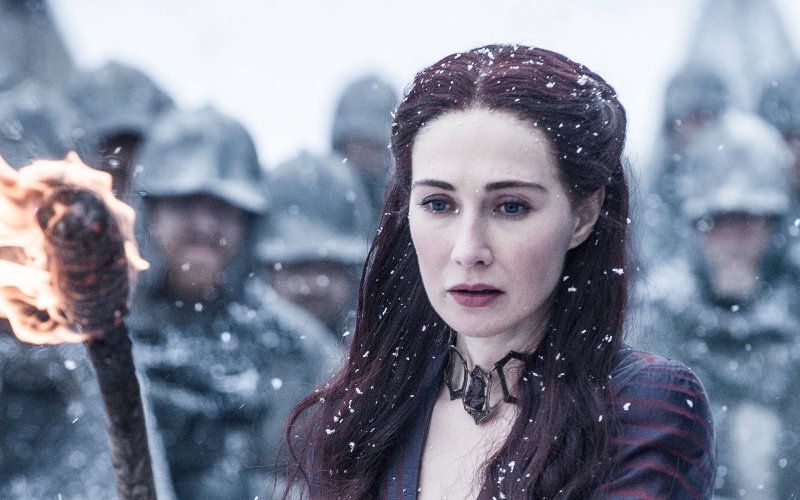
melisandre

FOR THE INTERNET IS DARK AND FULL OF SPOILERS! GAME OF THRONES AND TIBETAN BUDDDHIST SPOILERS AHEAD FOR THOSE WHO HAVE NOT WATCHED THE MOST RECENT EPISODE OF THE SERIES OR HAVE NOT ACHIEVED ENLIGHTENMENT!

Last week’s episode of Game of Thrones, the second in this current season, saw fans’ questions about whether we’d be seeing more of a moving version of the Lord Commander of the Night’s Watch Jon Snow put to rest. Continue reading