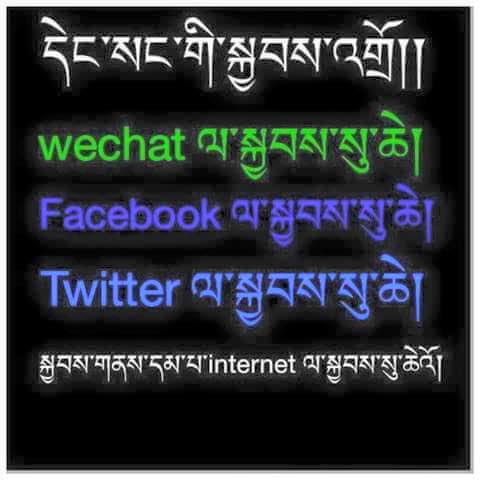
This morning, I had a dream in which a young Tibetan refugee woman was doing mo for clients. To ‘do mo’, ༼མོ་རྒྱག་པ་༽ ‘moh gyap pa’, means to tell the future, and over the centuries various divinatory systems, such as throwing dice, counting rosary beads, observing animal auguries, consulting spirit oracles, reading the pattern of rice on a drum skin, interpreting dreams, and scrying with brass mirrors to see visions, have played an important role in Tibetan civilization. In my dream I did not initially realize I was in a མོ་རྒྱག་ས་, a place of divination. I was in a dimly lit, low-ceiling-ed room – a number of individual computers stations were set up with chairs like in an Internet cafe and there were booths and tables dispersed around the screens padded in cheap blue, orange, and black imitation-leather like in some kind of diner (there was indeed a kitchen of sorts, that was serving food to customers). Continue reading →